


Understanding Tissue Healing and Pain Modulation in Acupuncture for Sports Injuries
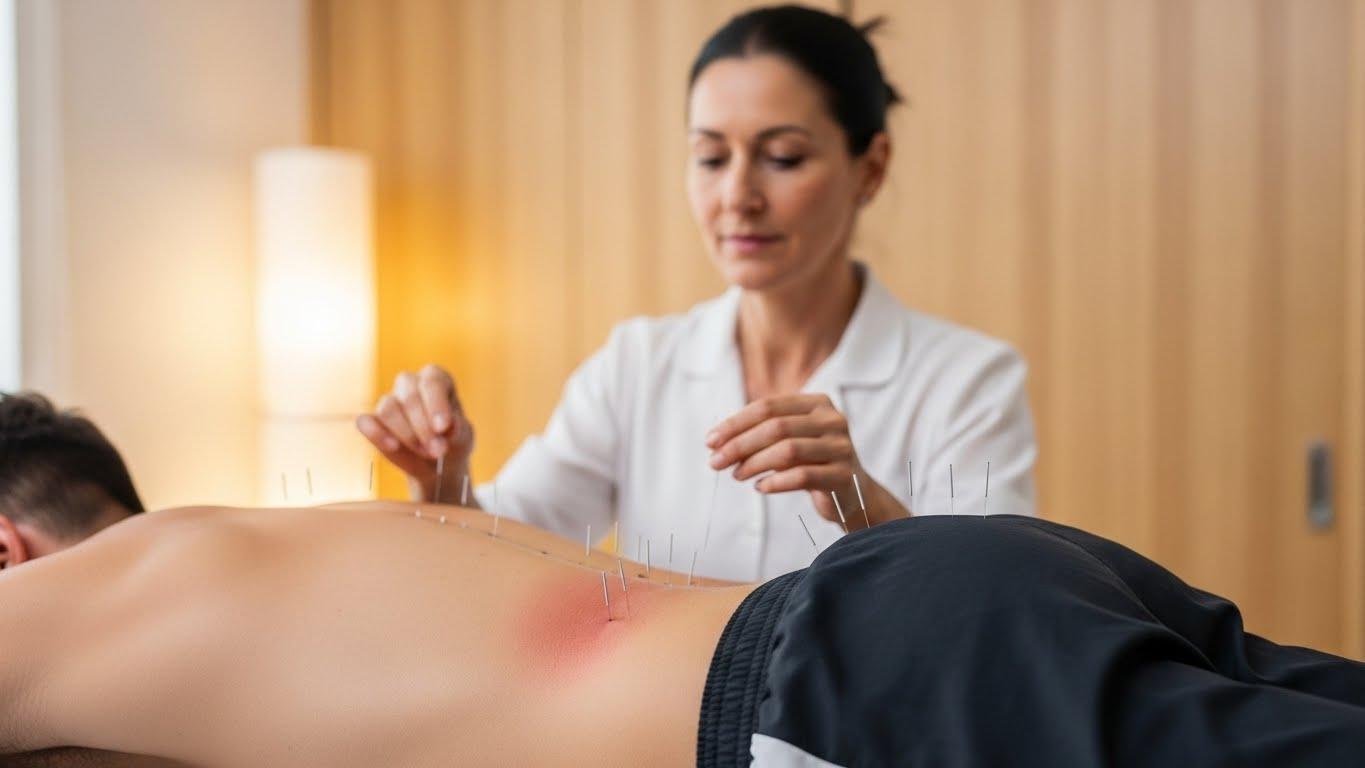
Sports injuries represent an inevitable challenge for athletes across all skill levels and disciplines, with tissue damage ranging from acute traumatic injuries to chronic overuse conditions. The dual challenges of managing pain while optimizing tissue healing create complex clinical scenarios where conventional treatments often provide incomplete solutions—pain medications may mask symptoms without addressing underlying pathology, while some anti-inflammatory drugs can actually impair tissue repair processes. The integration of acupuncture for sports injuries has gained widespread acceptance among sports medicine practitioners, athletic trainers, and athletes themselves based on compelling evidence demonstrating measurable effects on both pain perception and the biological processes governing tissue regeneration.
Understanding the mechanisms through which acupuncture influences tissue healing and pain modulation requires examination of cellular, molecular, and neurological processes that govern recovery from musculoskeletal injury. Modern research has revealed that acupuncture for sports injuries operates through multiple complementary pathways—enhancing local blood flow and growth factor availability, modulating inflammatory responses to optimize healing timelines, stimulating collagen synthesis and tissue remodeling, and activating endogenous pain control systems at peripheral, spinal, and supraspinal levels. This multifaceted approach addresses the complex, interrelated challenges that determine whether athletes return to full function or develop chronic limitations.
The Phases of Tissue Healing and Acupuncture's Role
Musculoskeletal tissue healing progresses through overlapping phases—initial inflammation, proliferative tissue formation, and remodeling—each characterized by distinct cellular activities and molecular signaling patterns. The inflammatory phase, lasting approximately 72 hours post-injury, involves immune cell infiltration, debris removal, and release of growth factors that initiate subsequent healing stages. The proliferative phase, spanning roughly three weeks, features fibroblast proliferation, collagen deposition, and angiogenesis—new blood vessel formation essential for delivering nutrients to healing tissues. The remodeling phase, continuing for months, involves collagen reorganization along lines of mechanical stress, gradually restoring tissue strength and function.
Optimal healing requires appropriate progression through these phases, with problems arising when inflammation becomes excessive or prolonged, when proliferation produces disorganized tissue, or when remodeling fails to restore functional tissue architecture. Research examining acupuncture for sports injuries reveals beneficial effects across all healing phases, supporting timely phase transitions and optimal tissue quality.
Studies measuring inflammatory mediators demonstrate that acupuncture modulates the inflammatory phase without suppressing it entirely—a crucial distinction from non-steroidal anti-inflammatory drugs (NSAIDs) that may delay healing by excessive inflammation suppression. A study published in Sports Medicine examined muscle strain injuries in 156 athletes, comparing early acupuncture intervention to standard RICE protocol (rest, ice, compression, elevation) alone. The acupuncture group showed similar inflammatory marker levels during the first 48 hours, indicating preserved beneficial inflammation, but demonstrated faster resolution after 72 hours and significantly better functional recovery at two-week follow-up.
During the proliferative phase, acupuncture treatment for sports injuries enhances the cellular and molecular processes critical for new tissue formation. Animal research using standardized tendon injury models shows that electroacupuncture increases fibroblast proliferation rates by 42% and collagen synthesis by 38% compared to untreated controls. These effects correlate with elevated tissue concentrations of transforming growth factor-beta (TGF-β) and vascular endothelial growth factor (VEGF)—key growth factors orchestrating tissue repair and angiogenesis respectively.
The remodeling phase determines whether healed tissues achieve functional strength or remain vulnerable to re-injury. Acupuncture influences this critical phase through effects on collagen fiber organization and cross-linking. Biomechanical testing of healed ligaments in animal studies demonstrates that tissues from acupuncture-treated subjects achieve higher tensile strength and stiffness values—properties essential for withstanding athletic demands. Histological analysis reveals better collagen fiber alignment and higher cellular organization in acupuncture groups, indicating superior tissue quality beyond simply faster healing.
Microcirculation Enhancement and Nutrient Delivery
Adequate blood supply represents a fundamental requirement for tissue healing, delivering oxygen, nutrients, growth factors, and immune cells while removing metabolic waste products. Many common sports injuries affect tissues with inherently limited vascularity—tendons, ligaments, and menisci receive relatively poor blood supply compared to muscles, explaining their notoriously slow healing rates. Enhancing circulation to these poorly vascularized structures therefore represents a key therapeutic goal.
Research documenting acupuncture for sports injuries consistently demonstrates improved microcirculation in treated tissues. Studies using laser Doppler flowmetry—a technique measuring real-time blood flow in small tissue volumes—show that acupuncture increases microvascular perfusion by 40-60% in muscles and tendons, with effects persisting for hours post-treatment. Near-infrared spectroscopy measurements confirm improved tissue oxygenation following acupuncture, indicating that increased blood flow effectively enhances oxygen delivery.
The mechanisms underlying these circulatory effects involve both neural reflexes and local chemical mediators. Needle insertion triggers the release of neuropeptides including calcitonin gene-related peptide (CGRP) from sensory nerve endings, producing powerful vasodilation in surrounding vessels. Additionally, acupuncture stimulates nitric oxide production—a molecule that relaxes vascular smooth muscle, causing vessel dilation. Studies measuring nitric oxide metabolites in tissues surrounding acupuncture sites show sustained elevations for 30-60 minutes post-treatment.
Angiogenesis—formation of new blood vessels—represents another critical component of tissue repair, particularly for injuries involving substantial tissue damage. Growth factors like VEGF stimulate endothelial cell proliferation and migration, leading to new capillary formation that permanently improves tissue vascularity. Research examining acupuncture treatment for sports injuries shows increased VEGF expression in treated tissues and histological evidence of enhanced capillary density in healing structures. A study using immunohistochemistry to quantify blood vessel numbers in healing Achilles tendons found 34% higher capillary density in acupuncture-treated animals compared to controls.
Collagen Synthesis and Extracellular Matrix Organization
Collagen represents the primary structural protein in musculoskeletal tissues, providing tensile strength to tendons, ligaments, and fascial structures. The quality and organization of collagen deposited during healing largely determines functional outcomes—disorganized collagen fibers produce weak, injury-prone tissues, while properly aligned collagen restores functional strength. Understanding how acupuncture influences collagen metabolism provides crucial insight into its tissue healing effects.
Research examining collagen synthesis demonstrates that acupuncture for sports injuries upregulates genes encoding collagen types I and III—the predominant collagens in tendons and ligaments. Molecular studies measuring mRNA levels show 2-3 fold increases in collagen gene expression in fibroblasts from acupuncture-treated tissues. These genetic changes translate to measurable increases in collagen protein production, with biochemical assays showing 30-45% higher collagen concentrations in healing tissues from acupuncture groups.
Beyond quantity, collagen organization determines tissue mechanical properties. Scanning electron microscopy studies reveal that collagen fibers in acupuncture-treated healing tissues demonstrate better alignment along the long axis of tendons and ligaments—the orientation providing optimal tensile strength. This improved organization likely reflects enhanced mechanical loading during healing, as acupuncture's pain-reducing effects allow earlier return to controlled movement that provides organizing mechanical stimuli to developing collagen structures.
Matrix metalloproteinases (MMPs)—enzymes that degrade collagen and other extracellular matrix components—play essential roles during tissue remodeling by removing disorganized initial repair tissue and allowing deposition of more organized collagen. However, excessive or prolonged MMP activity can compromise healing. Research shows that acupuncture treatment for sports injuries modulates MMP activity, maintaining levels sufficient for productive remodeling while preventing excessive degradation. Studies measuring MMP concentrations in healing tissues show that acupuncture treatment results in more favorable ratios between MMPs and their natural inhibitors (tissue inhibitors of metalloproteinases, or TIMPs), suggesting better-regulated remodeling processes.
Pain Modulation Through Peripheral Mechanisms
Pain represents perhaps the most immediate concern for injured athletes, affecting not only subjective well-being but also limiting rehabilitation participation and potentially triggering maladaptive movement patterns. The pain experience involves complex processing from injury sites through spinal cord to brain, with potential therapeutic targets at each level. Acupuncture for sports injuries addresses pain through mechanisms operating at peripheral, spinal, and supraspinal levels—a multi-level approach explaining its effectiveness even for chronic pain conditions where single-target interventions often prove insufficient.
At the peripheral level, tissue injury sensitizes nociceptors—the sensory neurons detecting potentially harmful stimuli. This peripheral sensitization involves changes in ion channel expression and neurotransmitter receptor sensitivity that lower activation thresholds, causing normal movements or mild pressure to generate pain signals. Research shows that acupuncture reduces peripheral sensitization through multiple mechanisms including decreased release of inflammatory mediators that sensitize nociceptors and modulation of ion channels in sensory nerve membranes.
Studies using quantitative sensory testing demonstrate that acupuncture treatment for sports injuries increases pressure pain thresholds and heat pain thresholds in injured tissues—objective measures of reduced peripheral sensitization. A randomized trial examining chronic tendinopathy patients found that acupuncture increased pressure pain thresholds by an average of 38% after eight treatment sessions, indicating substantial reduction in peripheral nociceptor sensitivity.
Adenosine represents a key mediator of acupuncture's local analgesic effects. This endogenous compound inhibits pain signaling when it binds to A1 receptors on sensory neurons. Research measuring adenosine concentrations in tissues surrounding acupuncture needles shows dramatic increases—up to 24-fold elevation—during needle manipulation. Studies using A1 receptor antagonists demonstrate that blocking these receptors significantly reduces acupuncture's analgesic effects, confirming adenosine's crucial role in peripheral pain modulation.
Spinal Cord Pain Processing and Gate Control Mechanisms
The spinal cord represents a critical relay station where pain signals from peripheral tissues are processed before transmission to the brain. This spinal processing involves complex interactions between different sensory fiber types, with potential for modulation through mechanisms like the "gate control" theory of pain. According to this model, activation of large-diameter sensory fibers can inhibit transmission of pain signals carried by small-diameter fibers, effectively "closing the gate" to pain transmission.
Acupuncture for sports injuries activates multiple sensory fiber types, including large-diameter A-beta fibers that contribute to gate control mechanisms. Neurophysiological recordings from dorsal horn neurons—the spinal cord neurons receiving sensory input—demonstrate that acupuncture stimulation reduces their responsiveness to subsequent painful stimuli, indicating enhanced inhibitory processing. This spinal modulation helps explain why acupuncture can provide pain relief not only at needle insertion sites but also in related body regions.
Neurotransmitter systems in the spinal cord also mediate acupuncture's analgesic effects. Research shows that acupuncture increases spinal cord concentrations of endogenous opioids including enkephalins and dynorphins. These peptides bind to opioid receptors on pain-transmitting neurons, inhibiting their activity and reducing pain signal transmission to the brain. Studies using opioid receptor antagonists demonstrate that blocking spinal opioid receptors partially reduces acupuncture analgesia, confirming the involvement of endogenous opioid mechanisms.
GABA (gamma-aminobutyric acid) and glycine—inhibitory neurotransmitters in the spinal cord—also contribute to acupuncture's pain-modulating effects. These neurotransmitters reduce excitability of pain-transmitting neurons through hyperpolarization of cell membranes. Research examining acupuncture treatment for sports injuries shows increased GABA and glycine release in the spinal cord, with effects correlating temporally with pain reduction.
Descending Pain Inhibition and Brain Mechanisms
Beyond peripheral and spinal mechanisms, acupuncture activates powerful descending pain inhibition systems—neural pathways originating in the brain that suppress pain processing at the spinal level. These descending pathways, involving brain regions like the periaqueductal gray, rostral ventromedial medulla, and anterior cingulate cortex, represent the brain's endogenous pain control systems, capable of producing profound analgesia when fully activated.
Neuroimaging research using functional MRI provides direct evidence that acupuncture for sports injuries modulates brain activity in regions involved in pain processing and modulation. Studies show that acupuncture increases activity in the periaqueductal gray—a midbrain structure central to descending pain inhibition—while decreasing activity in the anterior cingulate cortex and insula, regions associated with the affective and sensory dimensions of pain perception. These brain activity changes correlate with subjects' reports of reduced pain intensity and unpleasantness.
The neurotransmitter systems mediating descending inhibition include serotonin, norepinephrine, and endogenous opioids. Research demonstrates that acupuncture increases serotonin and norepinephrine concentrations in cerebrospinal fluid and enhances beta-endorphin levels in brain tissue. These neurochemicals work synergistically to suppress pain transmission in the spinal cord. Studies using selective serotonin or norepinephrine reuptake inhibitors show that blocking these neurotransmitter systems reduces acupuncture's analgesic effects, confirming their crucial roles.
Importantly, acupuncture's effects on brain pain processing extend beyond simple analgesia to influence the emotional and cognitive dimensions of pain. Chronic pain involves maladaptive neuroplastic changes in brain networks processing pain affect, attention, and memory. Research suggests that acupuncture treatment for sports injuries may help reverse some of these changes, potentially explaining benefits for psychological distress commonly accompanying chronic injury conditions.
Myofascial Trigger Point Deactivation
Myofascial trigger points—hyperirritable spots in skeletal muscle associated with palpable nodules in taut bands—frequently develop following sports injuries and contribute substantially to pain and dysfunction. These trigger points generate local tenderness and referred pain patterns, restrict range of motion, and alter muscle activation patterns. Research using electromyography demonstrates that trigger points show spontaneous electrical activity and abnormal muscle fiber contraction patterns.
Acupuncture for sports injuries proves particularly effective for trigger point deactivation, with research demonstrating that needle insertion directly into trigger points produces immediate reductions in tenderness and referred pain. Studies using algometry—devices measuring pressure pain thresholds—show that trigger point acupuncture increases pain thresholds by 40-60% immediately post-treatment. These effects appear related to local twitch responses—brief contractions of taut muscle bands elicited by needle insertion that correlate with therapeutic benefit.
The mechanisms underlying trigger point deactivation involve both mechanical disruption of abnormal muscle fiber contractile activity and neurophysiological effects. Needle insertion may physically disrupt dysfunctional sarcomere interactions maintaining trigger point contracture. Simultaneously, the sensory input from needling triggers spinal reflexes that normalize motor neuron activity to affected muscles. Research measuring electromyographic activity shows that successful trigger point treatment reduces abnormal spontaneous electrical activity in treated muscles.
Neuroplasticity and Chronic Pain Reversal
When sports injuries persist beyond normal healing timelines, neuroplastic changes in pain processing systems often perpetuate symptoms even after tissue healing completes. This transition from acute to chronic pain involves sensitization of spinal cord neurons, altered brain activity patterns, and psychological changes that together create self-sustaining pain states relatively independent of peripheral tissue pathology. Breaking these chronic pain patterns requires interventions that address central nervous system changes rather than focusing solely on peripheral tissues.
Research examining acupuncture for sports injuries suggests potential for reversing some maladaptive neuroplastic changes associated with chronic pain. Brain imaging studies show that chronic pain patients receiving acupuncture demonstrate progressive normalization of brain activity patterns—reduced activation in regions associated with pain processing and increased activity in regions involved in pain modulation. A study following chronic pain patients through eight weeks of acupuncture treatment used serial fMRI scans, documenting progressive changes in brain connectivity patterns that correlated with clinical improvement.
The mechanisms potentially mediating neuroplastic reversals involve the same neural pathways that originally produced maladaptive changes. Repeated activation of descending pain inhibition systems may strengthen these pathways through Hebbian mechanisms—"neurons that fire together wire together." Additionally, by reducing pain-related distress and improving function, acupuncture treatment for sports injuries may interrupt the cognitive and emotional factors that maintain chronic pain through top-down influences on pain processing.
Clinical Integration and Treatment Protocols
Translating mechanistic understanding into effective clinical protocols requires consideration of injury type, healing phase, pain characteristics, and individual patient factors. Research examining optimal treatment parameters suggests that frequency, needle stimulation methods, and point selection significantly influence outcomes for sports injuries.
Treatment frequency recommendations typically range from 2-3 sessions weekly during acute phases to weekly maintenance treatments during later rehabilitation stages. Studies comparing different frequencies generally show dose-response relationships, with more frequent treatments producing faster initial improvements. Electroacupuncture—needle stimulation using mild electrical current—shows particular benefits for sports injuries, with research suggesting enhanced effects on tissue healing markers and pain reduction compared to manual needle manipulation alone.
Point selection strategies combine local points at or near injury sites with distal points selected based on Traditional Chinese Medicine meridian theory or modern understanding of segmental innervation and referred pain patterns. Research comparing standardized versus individualized point selection protocols shows advantages for individualized approaches that account for specific injury presentations and concurrent factors.
Conclusion
The evidence supporting acupuncture for sports injuries reflects sophisticated understanding of tissue healing biology and pain neuroscience. By enhancing microcirculation, modulating inflammatory responses, promoting collagen synthesis and organization, activating multi-level pain inhibition systems, deactivating myofascial trigger points, and potentially reversing chronic pain neuroplasticity, acupuncture addresses the complex, interrelated challenges that determine recovery outcomes. For athletes and sports medicine practitioners seeking evidence-based approaches to optimize healing while managing pain without excessive reliance on potentially problematic pharmaceuticals, acupuncture treatment for sports injuries represents a valuable tool supported by mechanistic research and clinical trial evidence. Understanding these mechanisms empowers informed decisions about integrating this therapeutic modality into comprehensive sports injury rehabilitation protocols.

 English
 Arabic
 French
 Spanish
 Portuguese
 Deutsch
 Turkish
 Dutch
Dutch
 Italiano
 Russian
 Portuguese (Brazil)
 Greek
Greek