


What Treatments Are Available for Worm Infections?
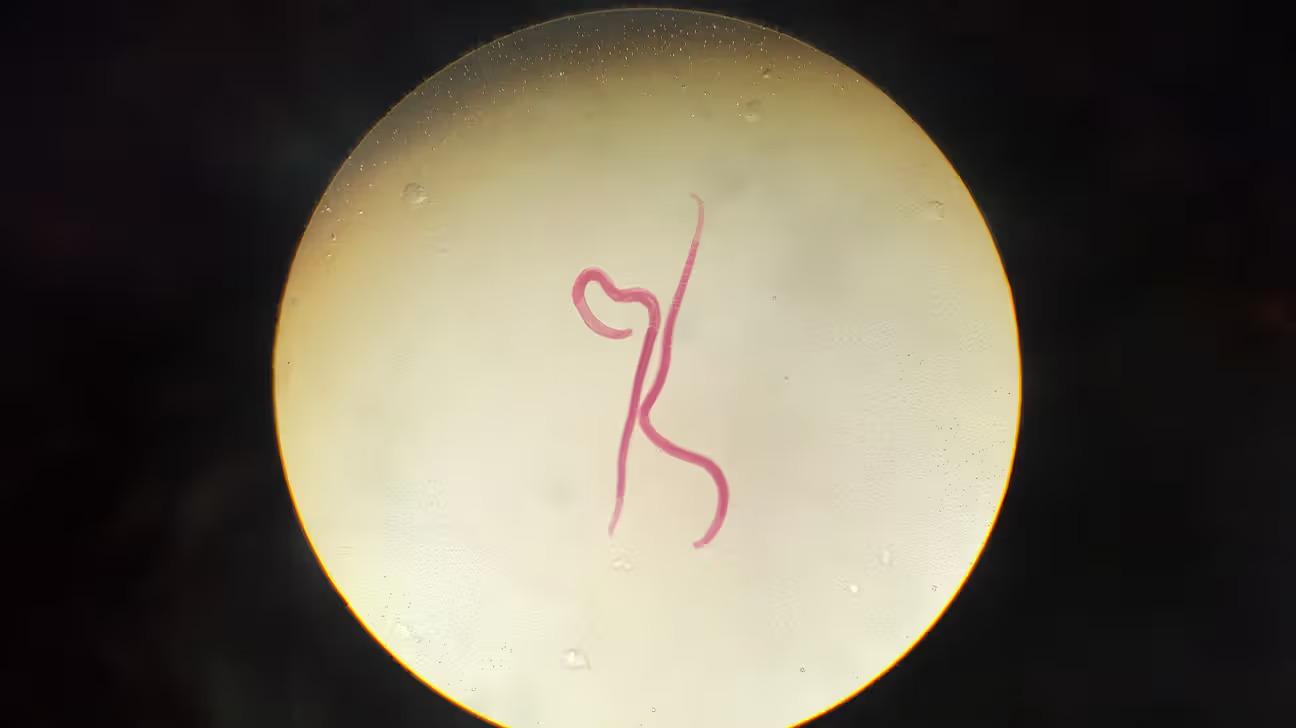
Worm infections, also known as helminth infections, remain a significant public health concern worldwide, particularly in regions with limited sanitation, unsafe water supplies, and inadequate healthcare access. These infections are caused by parasitic worms such as roundworms, tapeworms, flukes, and hookworms, each affecting the human body in different ways.
Effective management depends on accurate diagnosis, appropriate pharmacological therapy, preventive strategies, and, in some cases, supportive or surgical intervention. This article provides a comprehensive overview of the treatments available for worm infections, with attention to commonly used medications and the broader treatment ecosystem.
Understanding Worm Infections
Helminths are multicellular parasites that can inhabit the intestines, blood, or tissues of humans. Common intestinal worms include Ascaris lumbricoides (roundworm), Enterobius vermicularis (pinworm), Ancylostoma duodenale and Necator americanus (hookworms), and Taenia species (tapeworms). Flukes, such as Schistosoma, primarily affect blood vessels and organs like the liver and bladder.
Symptoms vary depending on the type and burden of infection. Mild cases may be asymptomatic, while heavier infections can cause abdominal pain, diarrhea, anemia, malnutrition, growth retardation in children, and organ damage. Treatment strategies are designed to eliminate the parasites, manage symptoms, and prevent reinfection.
Anthelmintic Medications: The Cornerstone of Treatment
Pharmacological therapy is the primary approach for treating worm infections. Anthelmintic drugs work by paralyzing worms, disrupting their metabolism, or killing them outright so they can be expelled from the body.
Albendazole and Mebendazole
Albendazole and mebendazole are broad-spectrum anthelmintics widely used to treat roundworm, hookworm, whipworm, and pinworm infections. They function by inhibiting glucose uptake in parasites, leading to energy depletion and death. These medications are commonly used in mass deworming programs due to their effectiveness, safety profile, and affordability.
Praziquantel
Praziquantel is the drug of choice for many tapeworm and fluke infections, including schistosomiasis. It increases the permeability of the worm’s cell membranes to calcium ions, causing paralysis and disintegration. Praziquantel has played a major role in global control programs for schistosomiasis and other trematode infections.
Ivermectin
Ivermectin is particularly effective against strongyloidiasis and onchocerciasis (river blindness). It works by binding to chloride channels in the parasite’s nervous system, leading to paralysis and death. Ivermectin is also used in combination therapies for certain parasitic infections.
Nitazoxanide
Nitazoxanide is an antiparasitic agent with activity against a range of protozoa and helminths. While it is more commonly associated with protozoal infections, it has demonstrated efficacy against some intestinal worms as well. From a pharmaceutical supply perspective, demand for this drug has increased in regions focusing on comprehensive antiparasitic coverage, making the role of a reliable nitazoxanide wholesaler important for healthcare systems, distributors, and NGOs involved in parasite control initiatives.
Combination Therapy and Targeted Treatment
In some cases, combination therapy is recommended to improve efficacy, reduce resistance, or address mixed infections. For example, co-infection with different worm species may require the use of more than one anthelmintic drug. Treatment selection is influenced by:
-
The species of worm identified
-
Severity and chronicity of infection
-
Patient age and comorbidities
-
Pregnancy status
-
Regional treatment guidelines
Laboratory confirmation through stool examination, blood tests, or imaging studies often guides targeted therapy, particularly for tissue-invasive worms.
Supportive and Symptomatic Management
While eliminating the parasite is essential, supportive care plays a crucial role in patient recovery. Chronic worm infections often lead to secondary complications that must be addressed alongside antiparasitic treatment.
Nutritional Support
Many helminth infections cause malnutrition, vitamin deficiencies, and anemia. Iron supplementation, vitamin therapy, and improved dietary intake are often necessary, especially in children and pregnant women.
Management of Anemia and Organ Damage
Hookworm infections are a major cause of iron-deficiency anemia. Severe cases may require iron therapy or, rarely, blood transfusions. Liver fluke or schistosome infections that cause organ damage may necessitate long-term monitoring and specialist care.
Surgical and Interventional Treatments
Although uncommon, surgery may be required in certain situations. Large tapeworm cysts (such as hydatid disease caused by Echinococcus) can form in organs like the liver, lungs, or brain. These cases often require surgical removal in addition to antiparasitic drug therapy. Intestinal obstruction caused by heavy worm loads may also require emergency intervention.
Preventive Treatment and Mass Deworming
Prevention is a critical component of worm infection control. The World Health Organization and other public health bodies advocate for mass deworming programs in high-risk populations, particularly school-aged children. These programs typically involve periodic administration of albendazole or mebendazole without prior diagnosis.
Preventive chemotherapy reduces worm burden, improves nutritional status, and enhances cognitive and physical development in children. The success of such programs depends on consistent drug availability, where pharmaceutical supply chains including manufacturers and wholesalers such as a nitazoxanide wholesaler play a vital supporting role.
Hygiene, Sanitation, and Education
Drug treatment alone is insufficient to control worm infections in the long term. Reinfection rates can be high if environmental and behavioral factors are not addressed. Key preventive measures include:
-
Access to clean water and improved sanitation
-
Proper disposal of human waste
-
Handwashing with soap
-
Wearing footwear to prevent hookworm infection
-
Food safety and proper cooking of meat
Health education campaigns are essential to reinforce these practices and reduce transmission.
The Role of Pharmaceutical Supply Chains
Effective treatment strategies rely not only on clinical knowledge but also on robust pharmaceutical distribution networks. Hospitals, clinics, and public health programs depend on timely access to quality-assured antiparasitic medications. In this context, wholesalers serve as a critical link between manufacturers and healthcare providers. A dependable nitazoxanide wholesaler, for example, ensures consistent availability of this medication for both routine treatment and outbreak response, particularly in regions with high parasitic disease burdens.
Conclusion
A wide range of effective treatments is available for worm infections, with anthelmintic medications forming the foundation of care. Drugs such as albendazole, mebendazole, praziquantel, ivermectin, and nitazoxanide have transformed the management of helminth infections and significantly reduced disease burden worldwide.
However, optimal outcomes require an integrated approach that combines pharmacological treatment, supportive care, preventive strategies, and strong pharmaceutical supply systems.
By addressing both the medical and structural aspects of treatment, healthcare systems can continue to make progress toward the control and eventual elimination of worm infections.

 English
 Arabic
 French
 Spanish
 Portuguese
 Turkish
 Dutch
Dutch
 Italiano
 Russian
 Romaian
 Portuguese (Brazil)
 Greek
Greek