


Open-Face vs. Full-Face Head Guards: Which One Should You Use?
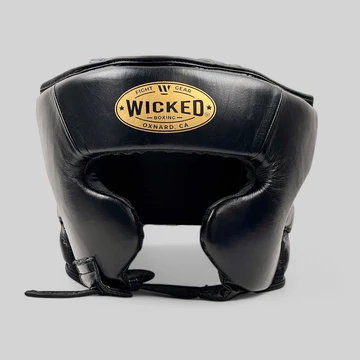
Choosing the right boxing head guard can significantly affect your sparring experience. One of the most common questions boxers ask, especially beginners, is whether they should use an open-face or full-face head guard. Both styles offer protection, but they serve very different purposes depending on your experience level, training intensity, and personal priorities.
The wrong choice can limit vision, cause discomfort, or leave you underprotected. The right choice can boost confidence, improve focus, and help you train more safely and effectively.
This guide breaks down open-face vs. full-face head guards in a practical, honest way so you can make the best decision for your training needs.
Why Head Guard Choice Matters in Sparring
Sparring is essential for developing timing, defense, and ring awareness but it also carries risk. A quality head guard helps reduce:
-
Facial cuts and bruises
-
Black eyes and broken noses
-
Accidental clashes of heads
-
Discomfort that distracts from learning
While no head guard can prevent concussions entirely, choosing the right design minimizes unnecessary damage and allows you to train with confidence.
What Is an Open-Face Head Guard?
An open-face head guard leaves the face largely exposed while protecting the forehead, temples, ears, and back of the head.
Key Characteristics
-
No cheek or chin coverage
-
Slim, lightweight design
-
Wide field of vision
-
Minimal facial padding
Open-face head guards are commonly used by experienced boxers who prioritize visibility and mobility.
Pros of Open-Face Head Guards
1. Superior Visibility
With no padding blocking the cheeks or chin, open-face head guards provide excellent peripheral vision. This helps you:
-
See punches earlier
-
React faster
-
Track footwork and movement
This is especially valuable during technical sparring.
2. Lightweight and Less Restrictive
Open-face designs feel less bulky, making head movement easier and reducing neck fatigue during longer sessions.
3. Better for Skill Development
Because your face is exposed, you’re more aware of defensive mistakes. This encourages:
-
Better guard discipline
-
Cleaner movement
-
Improved defensive habits
Cons of Open-Face Head Guards
1. Less Facial Protection
Your cheeks, nose, and chin are exposed, increasing the risk of:
-
Cuts
-
Bruises
-
Nose injuries
2. Not Beginner-Friendly
Beginners often lack defensive control, making open-face head guards a risky choice early on.
3. Requires Controlled Sparring
Open-face head guards are best used in light or technical sparring—not hard, aggressive rounds.
What Is a Full-Face Head Guard?
A full-face head guard provides maximum coverage, including padding around the cheeks, chin, and sometimes the nose.
Key Characteristics
-
Thick facial padding
-
Cheek and chin protection
-
Heavier, bulkier feel
-
Reduced facial exposure
This style is commonly used by beginners and during harder sparring sessions.
Pros of Full-Face Head Guards
1. Maximum Facial Protection
Full-face head guards significantly reduce:
-
Facial cuts
-
Black eyes
-
Nose injuries
This is especially helpful for beginners or anyone recovering from injury.
2. Increased Confidence for New Boxers
Knowing your face is protected allows you to relax and focus on learning instead of flinching or panicking.
3. Ideal for Hard or High-Volume Sparring
If your gym sparring is intense, full-face head guards provide an added safety margin.
Cons of Full-Face Head Guards
1. Reduced Visibility
Extra padding limits peripheral vision and downward sight, which can:
-
Delay reactions
-
Affect defensive awareness
2. Heavier and More Restrictive
The added weight can lead to:
-
Neck fatigue
-
Slower head movement
-
Reduced agility
3. Can Create Bad Habits
Too much protection may encourage:
-
Dropping your guard
-
Taking unnecessary shots
-
Relying on padding instead of defense
Open-Face vs. Full-Face: Which Is Right for You?
The best head guard depends on your experience level, sparring intensity, and goals.
Choose an Open-Face Head Guard If:
-
You are an intermediate or advanced boxer
-
Your sparring is technical and controlled
-
You prioritize visibility and movement
-
You want to refine defensive skills
-
You already have good guard discipline
Choose a Full-Face Head Guard If:
-
You are new to sparring
-
You want maximum facial protection
-
You spar at higher intensity
-
You’re recovering from facial injury
-
Confidence and safety are top priorities
How Training Goals Affect Your Choice
For Beginners
Full-face head guards are usually the better option. They reduce injury risk and help new boxers focus on fundamentals without fear.
For Fitness & Recreational Sparring
Either option can work, but full-face guards offer more comfort and peace of mind.
For Competitive Boxers
Many competitive boxers prefer open-face head guards to simulate fight conditions and sharpen reactions.
Fit and Comfort Matter More Than Style
Regardless of style, fit is critical.
A good head guard should:
-
Sit snug without pressure points
-
Stay in place when you move
-
Not block your eyes
-
Feel balanced, not front-heavy
A poorly fitting head guard open or full-face reduces protection and performance.
Common Mistakes When Choosing a Head Guard
Avoid these common errors:
Choosing based on looks alone
Buying oversized head guards
Ignoring visibility issues
Using full-face guards for light technical sparring
Using open-face guards before you’re ready
Can You Own Both? Absolutely.
Many experienced boxers keep both types:
-
Full-face for harder sessions or injury recovery
-
Open-face for technical sparring and skill development
Switching based on training needs gives you flexibility and long-term safety.
Final Thoughts: Protection Should Match Your Experience
There’s no universal “best” head guard, only the one that fits your current stage of training. Full-face head guards offer security and confidence for beginners, while open-face head guards provide visibility and realism for experienced fighters.
The key is honest self-assessment. Choose the head guard that protects you without limiting your ability to learn, move, and improve.

 English
 Arabic
 French
 Spanish
 Portuguese
 Deutsch
 Dutch
Dutch
 Italiano
 Russian
 Romaian
 Portuguese (Brazil)
 Greek
Greek