


How Does CCTV Monitoring Assist or Replace the Physical Invigilator?
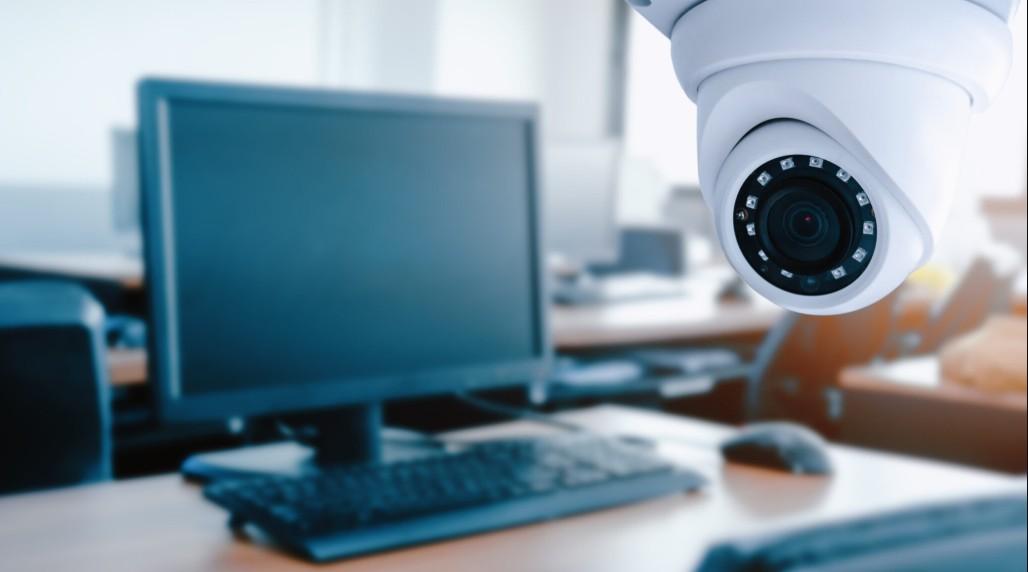
Examinations rely on fairness, integrity, and consistency to maintain their credibility. Traditionally, physical invigilators have been responsible for supervising exam rooms, ensuring rules are followed, and responding to incidents. However, with advancements in technology, CCTV monitoring has become an increasingly common tool in examination settings. Some institutions now use CCTV to support invigilators, while others explore whether it can partially replace physical supervision. Understanding how CCTV monitoring functions alongside or instead of invigilators helps clarify its benefits, limitations, and the continuing importance of trained professionals in maintaining examination standards.
The Role of CCTV in Modern Examination Environments
CCTV monitoring has become a valuable addition to modern exam environments, particularly in large venues or institutions managing multiple rooms simultaneously. Cameras provide continuous visual coverage, allowing behaviour to be observed and reviewed if concerns arise. Unlike a single invigilator who can only focus on part of a room at any given time, CCTV captures the entire space consistently. This can act as a deterrent to misconduct, as candidates are aware that their actions are being recorded. CCTV also supports transparency, as footage can be reviewed if disputes or allegations occur. However, while cameras observe, they do not interpret behaviour or intervene in real time, which highlights the ongoing need for trained supervision.
How CCTV Supports Physical Invigilators
Rather than fully replacing invigilators, CCTV is most effective when used as a support tool. Physical invigilators remain responsible for distributing materials, answering procedural questions, and responding immediately to incidents. CCTV allows supervisors or exam officers to monitor multiple rooms remotely, offering an extra layer of oversight. This is especially useful in large centres where one lead invigilator oversees several rooms. If unusual behaviour is noticed on screen, a physical invigilator can be alerted to investigate. Professionals trained through an Invigilator Course understand how to work alongside monitoring systems, ensuring that technology enhances rather than undermines exam integrity.
Situations Where CCTV May Reduce Invigilator Presence
In some controlled environments, CCTV monitoring can reduce the number of physical invigilators required, particularly during low-risk assessments or computer-based exams. Smaller rooms with clear visibility may rely on fewer invigilators when high-quality camera systems are in place. CCTV can also be useful during remote or after-hours assessments where staffing is limited. However, reducing invigilator presence does not remove the need for qualified oversight. Institutions must carefully assess risk, exam type, and candidate needs before relying heavily on cameras. CCTV can observe behaviour, but it cannot manage emergencies, provide reassurance, or enforce rules directly without human involvement.
Limitations of CCTV as a Replacement Tool
While CCTV offers clear benefits, it has limitations that prevent it from fully replacing physical invigilators. Cameras cannot interpret intent, assess subtle behaviours, or provide immediate verbal instructions. Technical failures, blind spots, or poor camera angles can also reduce effectiveness. Additionally, CCTV cannot support candidates with procedural questions or manage unexpected situations such as illness or disruptions. Relying solely on monitoring may create delays in response time, which can affect the exam environment. These limitations demonstrate why professional judgement and presence remain essential. Training provided through an Invigilator Course equips individuals to handle situations that technology alone cannot manage effectively.
Ethical, Privacy, and Compliance Considerations
The use of CCTV in exam settings raises important ethical and privacy considerations. Institutions must ensure compliance with data protection regulations and clearly inform candidates that monitoring is in place. Footage should be stored securely and accessed only by authorised personnel. Transparency about how recordings are used helps maintain trust and fairness. Physical invigilators play a role in reinforcing these standards by ensuring candidates understand exam conditions and feel treated respectfully. Without trained staff, the use of CCTV may feel intrusive or poorly managed. Ethical supervision requires balancing security with candidate wellbeing, something that cannot be achieved through cameras alone.
The Continuing Importance of Trained Invigilators
Despite technological advancements, trained invigilators remain central to examination success. They provide reassurance, clarity, and immediate intervention when needed. Invigilators also uphold exam rules with professionalism and fairness, adapting to situations as they arise. CCTV may support observation, but it does not replace communication, judgement, or accountability. Institutions that invest in professional training, such as an Invigilator Course, ensure their staff understand both traditional supervision methods and the responsible use of monitoring technology. This combined approach strengthens exam integrity while adapting to modern requirements.
Finding the Right Balance Between Technology and Human Oversight
The most effective examination environments strike a balance between CCTV monitoring and physical invigilation. Technology enhances visibility and accountability, while invigilators provide presence, judgement, and support. Rather than viewing CCTV as a replacement, it should be seen as a complementary tool that strengthens supervision when used correctly. Well-trained invigilators who understand how to integrate technology into their role are essential for maintaining high standards. As exam formats continue to evolve, combining human expertise with technological support ensures assessments remain fair, secure, and credible for all candidates.

 Arabic
 French
 Spanish
 Portuguese
 Deutsch
 Turkish
 Dutch
Dutch
 Italiano
 Russian
 Romaian
 Portuguese (Brazil)
 Greek
Greek