


What to Consider Before Buying a High-Performance Blow-Off Valve
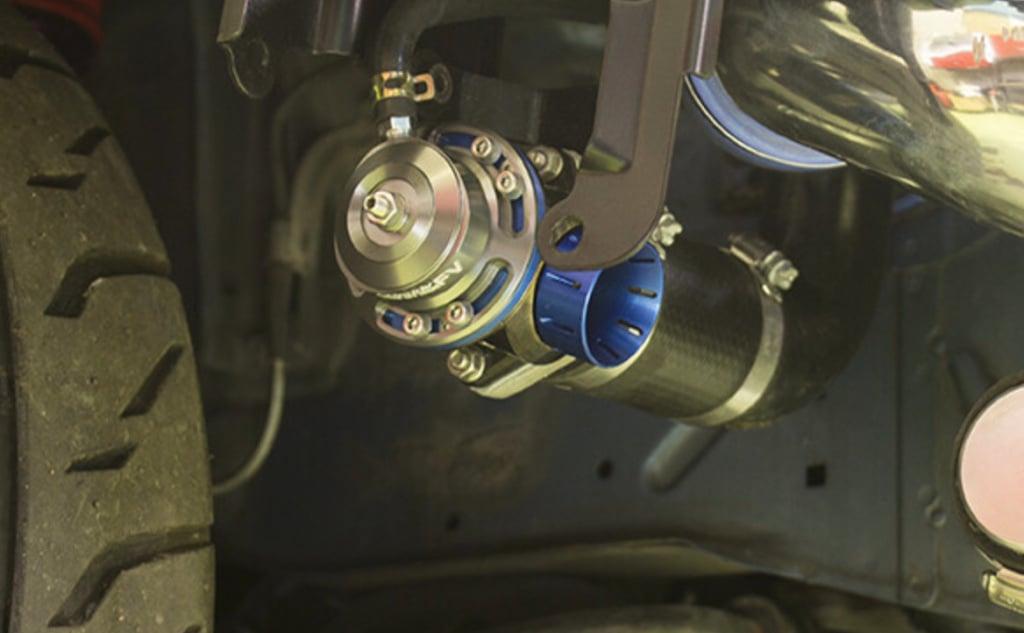
If you’re looking to get more power from your turbo, a blow-off valve (BOV) is probably on your radar. But before spending money, there’s more to consider than just sound or looks. The right valve can make or break your turbo’s efficiency and longevity. This guide covers materials, design, compatibility, and tuning to help you make the best choice. By understanding the key factors, you’ll get the most out of your turbo setup without any surprises.
Understanding What a Blow-Off Valve Actually Does
A blow-off valve releases excess boost pressure when you suddenly lift off the throttle. Without it, that pressure has nowhere to go, and your turbo ends up shoving air back into itself. That’s why choosing the right High-Performance Blow Off Valves is so important for both protection and performance.
Here’s why it matters:
-
Protects the turbo from surge
-
Improves throttle response
-
Reduces wear on boost pipes
It sounds straightforward, but in reality, many factors, both mechanical and design-related, determine how a valve performs.
Types of Blow-Off Valves
Before snagging the first shiny BOV you find, you gotta know what type works with your build. Let’s break it down.
1. Vent-to-Atmosphere (VTA)
This produces the iconic “psshhh” sound that many enthusiasts love. It’s perfect for those who want extra audio flair, but it may cause issues with closed-loop systems if not properly tuned.
2. Recirculating (Bypass Valve)
Instead of venting outside, it sends unused pressure back into the intake. Ideal for:
-
Daily drivers
-
Cars with MAF sensors
-
Smooth drivability
3. Hybrid Blow-Off Valves
Hybrid valves vent partially to the atmosphere and partially back into the intake, offering flexibility at its finest. This design provides a balance between sound and drivability, making it ideal for a variety of turbo setups. Using high-quality turbo release valves ensures consistent performance across all driving conditions.
Materials Matter More Than You Think
A blow-off valve faces extreme heat, pressure spikes, and constant vibration. That’s why using performance blow-off valves or turbo boost valves with high-quality materials is essential for long-term reliability.
Top valves use billet aluminum for strength and lightweight performance, plus stainless steel components to handle stress. Heat-resistant diaphragms and corrosion protection help them survive harsh conditions. Cheaper cast valves, on the other hand, can crack, leak, or stick—putting your turbo at risk. Choosing high-grade turbo release valves protects your system and ensures consistent performance.
Piston vs. Diaphragm
It may sound nerdy, but the internal mechanics play a massive role in performance.
Piston-Type Valves
-
Durable
-
Handle high boost
-
Require more maintenance
-
Great for performance builds pushing heavy pressure.
Diaphragm-Type Valves
-
Faster response
-
Quieter operation
-
Less durable at extreme boost levels
-
Perfect for balanced everyday driving.
Spring Rates & Adjustability
Spring rates and adjustability matter more than most people realise. If the spring isn’t set right, even the best performance blow-off valves can flutter, leak boost, or fail to open properly. Make sure the valve offers adjustable preload, includes multiple springs, or lists specific boost ranges. With the right spring tension, your BOV releases pressure smoothly without that annoying flutter you get from poorly tuned setups.
Compatibility with Your Turbo Setup
Not every blow-off valve works with every turbo setup. Factors like MAF vs. MAP systems, boost levels, flange type, and ECU settings all matter. Some valves require custom welding, while others are simple bolt-on designs. Always double-check your system before purchasing to avoid surprises.
Choosing a reliable option, such as a premium Greddy BOV, helps ensure proper fit, smooth operation, and protects your turbo. Picking the right valve for your setup also saves time and prevents costly mistakes down the road, while keeping your engine running efficiently under pressure.
Tuning Your BOV Sound
Performance is important, but let’s be honest, the sound of your blow-off valve adds a lot of personality to your ride. Depending on the valve design, venting style, and whether it uses a piston or diaphragm setup, the tone can range from a smooth whoosh to a sharp, attention-grabbing chirp. Even your intake and exhaust play a role in shaping the final sound. For those who want a clean, crisp note, a properly tuned Greddy blow-off valve delivers excellent performance and an iconic sound that stands out.
Maintenance & Longevity
Even the best blow-off valves need a little care to keep performing at their peak. Consider the following when choosing a durable BOV:
-
Choose valves that offer rebuild kits
-
Look for replaceable O-rings
-
Prefer designs with easy-access internal parts
-
Opt for brands known for long-term durability
Regular maintenance not only extends the life of your valve but also keeps your turbo system running smoothly and efficiently, especially when using a Greddy-style blow-off valve.
Installing Your Blow-Off Valve Properly
Installing a blow-off valve can be straightforward for simple bolt-on designs, but complex or high-boost setups often require professional attention. Make sure you have the right tools and a clean workspace to avoid mistakes.
Check your piping, adapters, and flange compatibility before starting. After installation, recalibrate your ECU or boost controller if needed. Using a quality valve, such as a Greddy-style blow-off valve, ensures a proper fit, prevents leaks, protects your turbo, and keeps performance smooth and reliable.
Avoid Common Blow-Off Valve Errors
Even experienced car enthusiasts can slip up when upgrading a blow-off valve. Choosing the wrong valve type can lead to poor performance or sensor issues.
Other common mistakes include:
-
Ignoring spring tension adjustments
-
Skipping ECU tuning after installation
-
Overlooking proper flange or adapter fitment
Avoiding these pitfalls keeps your turbo safe, responsive, and running smoothly.
Conclusion
Choosing the right blow-off valve isn’t just about noise or looks; it’s about protecting your turbo, improving performance, and enjoying smoother driving. From material quality and valve type to spring tension and tuning compatibility, top brands like NGR Performance provide reliable, high-quality options. A smart choice now saves costly repairs later. Investing in a quality valve ensures your turbo system runs reliably for years to come.

 English
 Arabic
 French
 Spanish
 Portuguese
 Deutsch
 Turkish
 Dutch
Dutch
 Italiano
 Russian
 Romaian
 Greek
Greek