


Nante Industrial Plug Socket Connector Maintenance Friendly Design
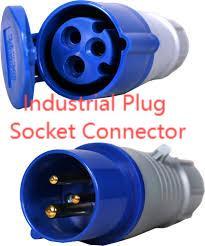
Engineers and maintenance teams frequently specify the Industrial Plug Socket Connector when they need a durable, serviceable interface that tolerates heavy mating cycles in demanding sites, and many choose it because the Industrial Plug Socket Connector balances secure electrical performance with easy field servicing. This article examines materials, ratings, installation practices, accessory options, and maintenance strategies to help specifiers pick the right connector for manufacturing, infrastructure, and outdoor power applications.
Robust Materials and Mechanical Design
The mechanical life of a connector depends first on materials and contact geometry. High-quality connectors use copper alloys with protective plating for contacts and glass-filled nylon or die-cast metal for housings. Thicker walls, chamfered mating faces, and integrated strain-relief features reduce mechanical stress on conductors. Sealing elements — O-rings, molded gaskets, or pressure-equalizing vents — must be chosen to match the environment, whether that means dust-laden factory floors, washdown food-processing areas, or outdoor, UV-exposed locations.
Electrical Ratings, Derating, And Thermal Considerations
Selecting a connector requires matching current, voltage, and ambient temperature expectations. Manufacturers provide ampacity charts and derating curves that guide conductor selection and protective-device coordination. Inrush currents from motors or drives alter effective loading; plan protection devices accordingly to avoid nuisance tripping or thermal overstress. The connector’s thermal path — how heat leaves the contacts and housing — affects long-term reliability, so ensure adequate ventilation or heat-sinking in high-duty applications.
Installation Best Practices And Wiring Integrity
Proper installation prevents early failures. Always follow specified torque values for terminals to avoid overheating from loose connections. Use correct gland and strain-relief sizes to prevent conductor movement, and route cables to minimize sharp bends or pinch points. Keep phase conductors separated from control and signal wiring to reduce interference and simplify troubleshooting. Document as-built wiring and label connectors to speed future service and avoid mis-mating during maintenance events.
Nante Compatibility And Accessory Options
Confirm accessory compatibility when integrating into systems: mounting frames, dust caps, splash hoods, and locking collars extend a connector’s suitability across different sites without changing core components. Manufacturer-provided kits often preserve published IP and IK ratings, ensuring that added features don’t inadvertently reduce protection. Accessory choices also enable keyed or padlock-ready configurations for safety and theft prevention in public or unsecured areas.
Maintenance, Diagnostics, And Lifecycle Savings
A structured preventive-maintenance program protects connector investments. Visual checks catch early gasket degradation, contact discoloration, or housing cracks. Thermal imaging during scheduled outages finds marginal terminations before catastrophic failure. Replace consumable items — dust caps, O-rings, and sacrificial contacts — on a planned schedule to avoid emergency downtime. Keep a local spares inventory for common parts to reduce repair lead time and consider modular connector families that permit quick on-site swaps.
Retrofit And System Upgrade Strategies
Upgrading older installations often benefits from connector families designed for retrofit frames or adapter plates so existing conduit and cabling can be reused where appropriate. When replacing legacy components, evaluate upstream coordination — over-specifying a connector without updating protective devices can leave systems exposed to unseen stresses. Pilot installations validate choices before broad deployment, reducing risk and helping tune accessory selection for site-specific demands.
Field Lessons From Technicians
Experienced installers recommend pre-assembling harnesses and dry-fitting components to catch compatibility issues before final wiring. Use captive fasteners to speed assembly and avoid lost hardware. In corrosive or coastal environments, choose sacrificial stainless hardware and schedule gentle cleaning to remove salt residues. Training crews in mating alignment and cap discipline (always replace dust caps) dramatically reduces accidental contact damage and moisture ingress.
Conclusion: Balance Performance, Serviceability, And Cost
An effective connector strategy balances rugged mechanical design, accurate electrical ratings, and a maintenance-minded approach. By specifying the right materials, following installation best practices, and implementing preventive maintenance, facilities prolong connector life and reduce unplanned outages. For application notes, compatibility charts, and further guidance on selecting and using industrial connectors, visit https://www.nante.com/news/industry-news/what-is-industrial-plug.html

 English
 Arabic
 French
 Spanish
 Portuguese
 Deutsch
 Dutch
Dutch
 Italiano
 Russian
 Romaian
 Portuguese (Brazil)
 Greek
Greek