


An Industry of Gatekeepers and Aggregators: The Structure of the DCB Industry
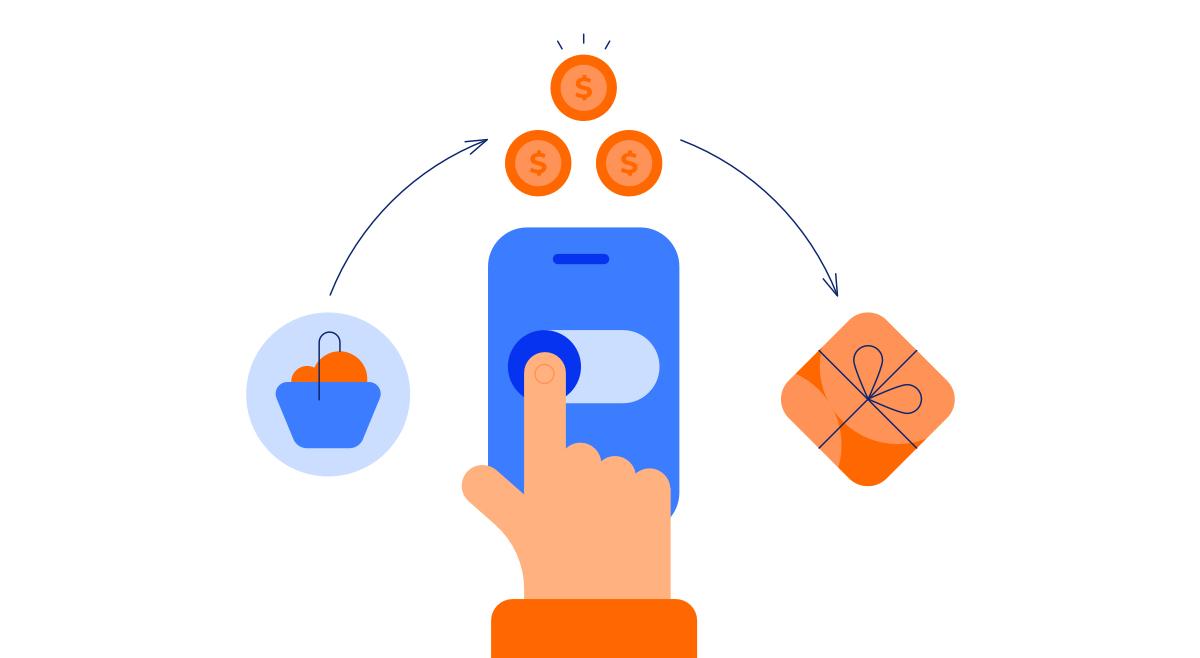
To fully comprehend the mechanics of paying with a phone bill, it is essential to understand the unique and symbiotic structure of the Direct Carrier Billing Industry. This is not a simple two-sided market but a complex, three-part ecosystem where the mobile network operators (MNOs), the digital merchants, and a crucial layer of technical intermediaries called aggregators all play a vital and interdependent role. This industry sits at the critical intersection of telecommunications, digital commerce, and financial technology. The interactions between these diverse players are what create the global network that allows a user in one country to buy an app from a developer in another and have the charge seamlessly appear on their local phone bill. Understanding the different roles and the power dynamics within this industrial structure is key to appreciating how this unique payment rail functions at a global scale.
At the absolute center of the industry, holding the most power, are the mobile network operators (MNOs). These are the major telecommunication companies like AT&T, Vodafone, Orange, and Telefónica. They are the ultimate "gatekeepers" of the industry because they own the direct billing relationship with the end consumer and the technical infrastructure to place a charge on their bill. They have complete control over which merchants they will allow on their billing platform, what the commercial terms and revenue share will be, and what security and compliance standards must be met. For the MNOs, DCB is a valuable data services revenue stream that helps them to monetize their network and their customer base beyond just selling voice and data plans. Their dominant position is protected by the massive regulatory and capital barriers to entry of becoming a licensed mobile carrier.
On one side of the MNOs are the digital merchants and content providers. This is a vast and diverse group, ranging from the world's largest technology companies and app stores, like Google, Apple, and Microsoft, to major streaming services like Spotify and Netflix, and thousands of individual mobile game and app developers. These are the companies that have a digital product or service to sell and want to reach the massive user base of the mobile operators. For them, DCB is a powerful monetization tool. It allows them to access the huge population of unbanked consumers and provides a frictionless, high-converting payment option for all their users. The merchants are the "buyers" of the DCB service, willing to pay a significant revenue share to the MNOs in exchange for access to their billing capability.
Bridging the gap between the thousands of merchants and the hundreds of MNOs around the world is a crucial intermediary layer: the DCB aggregators. The Direct Carrier Billing industry is projected to grow from 50084.7 USD Million in 2025 to 145058.58 USD Million by 2035, exhibiting a compound annual growth rate (CAGR) of 11.22 during the forecast period 2025 - 2035. Companies like Boku and DOCOMO Digital are leaders in this aggregation space. Instead of a merchant having to build hundreds of separate technical integrations and sign hundreds of different commercial agreements with MNOs all over the world, they can connect once to an aggregator's platform. The aggregator has already done the hard work of building the carrier connections. This solution dramatically simplifies the process for merchants, making it feasible for them to launch a global DCB offering quickly and efficiently. The aggregators are the essential "plumbing" that makes the global DCB industry work at scale.
Explore Our Latest Trending Reports:

 English
 Arabic
 French
 Spanish
 Portuguese
 Deutsch
 Turkish
 Dutch
Dutch
 Italiano
 Russian
 Romaian
 Portuguese (Brazil)