


How Sheffield Formwork Shapes Efficiency in Contemporary Construction
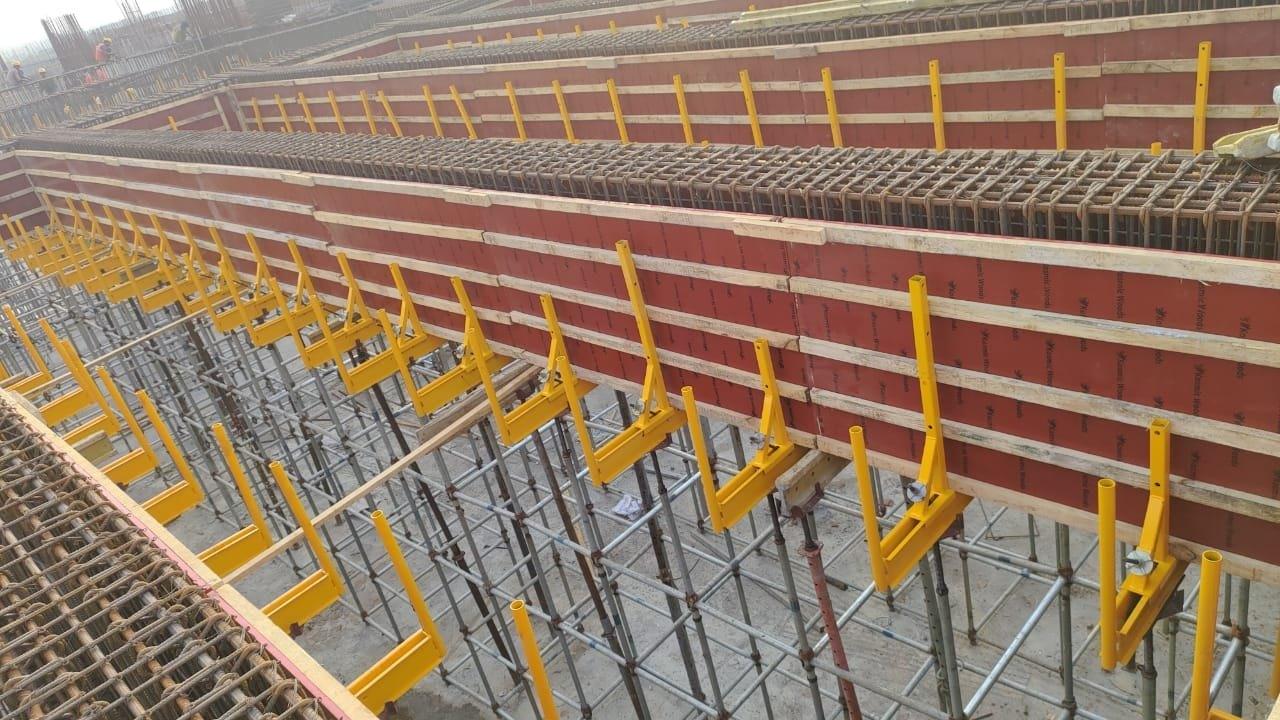
In the UK construction industry, Sheffield formwork plays a pivotal role in shaping concrete structures with precision and stability. Formwork is essentially the temporary mould into which concrete is poured, allowing it to set and harden into the desired shape. This system is essential for creating various structural elements such as walls, columns, slabs, and beams, all of which form the backbone of modern construction projects. Whether for residential buildings, commercial developments, or infrastructure projects, formwork ensures that the concrete elements of a structure are created accurately, efficiently, and safely.
The Role of Formwork in Sheffield’s Construction Industry
The primary function of formwork is to provide a supportive framework to hold the liquid concrete in place until it solidifies. Without formwork, the poured concrete would not retain its shape or achieve the necessary strength and stability to support the structure. In Sheffield and the surrounding areas, formwork systems are widely used across a variety of construction projects, ranging from small domestic buildings to large-scale commercial developments.
Formwork systems come in various types, each suited for different aspects of construction. These systems are typically made from materials such as timber, steel, aluminium, or plastic, with each offering distinct benefits depending on the scale of the project and the specific requirements.
Types of Formwork Materials Used in Sheffield
-
Timber Formwork: Timber remains one of the most commonly used materials in formwork, particularly for small to medium-sized projects. It is highly adaptable and easy to work with, making it a go-to option for intricate designs or areas with complex geometries. Timber formwork also allows for quick adjustments on-site, which can be critical for projects with tight timelines or changing specifications. However, it is less durable than other materials and typically requires replacement after a few uses.
-
Steel Formwork: Steel formwork is commonly used in large-scale, repetitive construction works, such as multi-storey buildings, bridges, and highways. Its strength and durability make it ideal for projects that require a high level of precision and need to withstand heavy loads. Steel formwork is often used for casting large quantities of concrete, as it can be reused multiple times, making it a cost-effective option for larger projects in Sheffield.
-
Aluminium Formwork: Aluminium is a lightweight, durable alternative to steel. Its ease of handling makes it a popular choice for projects that involve a lot of formwork handling and transportation. Aluminium formwork is also more resistant to corrosion, which is particularly useful in environments that experience extreme weather conditions. Its modular design allows for fast assembly and disassembly, making it an efficient choice for projects with tight schedules.
-
Plastic and Modular Formwork: Plastic formwork, along with modern modular systems, has gained popularity in recent years. These systems are typically reusable, making them an environmentally friendly option for reducing construction waste. Plastic formwork is often used for smaller projects, such as residential buildings, as it is lightweight and easy to manipulate. Furthermore, modular systems can be adapted to suit various shapes and sizes, increasing flexibility in design.
Advantages of Formwork Systems
The effectiveness of formwork systems directly impacts the speed, safety, and quality of construction. Properly designed and installed formwork not only ensures the desired shape and finish of the concrete but also optimises the construction process. The benefits of using efficient formwork systems in Sheffield include:
-
Time Efficiency: Well-constructed formwork reduces the amount of time required for pouring and setting concrete. This is particularly critical for large-scale projects where time is often of the essence. Pre-fabricated and modular systems speed up the process, as they require less time for assembly and disassembly.
-
Cost Savings: Properly designed formwork systems reduce the need for additional materials and labour. For example, reusable formwork systems like steel or aluminium can be used multiple times, lowering the overall costs of the project. In addition, the quicker turnaround times help reduce the overall project costs.
-
Safety: Safety is paramount in any construction environment. Formwork that is correctly designed and installed ensures that workers are safe from hazards such as collapsing frameworks or improper handling of materials. Additionally, formwork systems are designed to handle the pressure of wet concrete, reducing the risk of accidents during the pouring process.
-
Surface Finish Quality: One of the most important aspects of formwork is ensuring that the surface finish of the concrete is smooth and free of defects. High-quality formwork systems are engineered to achieve an optimal surface finish, reducing the need for post-pour work such as grinding or polishing.
-
Sustainability: In line with increasing environmental concerns, modern formwork systems are designed to be more sustainable. The use of reusable materials such as steel, aluminium, and modular plastic systems reduces the amount of construction waste generated, making them more eco-friendly. Additionally, modular systems that can be adapted to different projects promote a more efficient use of materials.
The Importance of Skilled Labour
While formwork systems are designed to be efficient and durable, their effectiveness heavily depends on the skill and expertise of the workers who install and remove them. Incorrect handling of formwork can lead to major safety issues, structural problems, and costly delays. Skilled labour is essential for ensuring that formwork systems are installed according to the highest standards, particularly in complex or large-scale projects.
Formwork assembly requires knowledge of the specific material being used, an understanding of the design specifications, and a keen awareness of construction safety standards. Labourers must also be trained in the proper handling and removal of formwork to prevent any damage to the structure or to the system itself.
Conclusion
In conclusion, Sheffield formwork remains an essential part of the UK construction industry. Its role in creating precise and stable concrete structures cannot be overstated, as it directly influences the safety, cost-effectiveness, and quality of construction projects. Whether using traditional timber, durable steel, lightweight aluminium, or sustainable modular systems, formwork provides the foundation needed for the modern built environment.
The development and adoption of advanced formwork technologies and systems reflect the ongoing commitment of the construction industry to innovation, sustainability, and safety. As regulations continue to evolve and the demand for eco-friendly solutions increases, Sheffield’s formwork systems are poised to remain a vital part of shaping the city’s architectural landscape for years to come.

 English
 Arabic
 French
 Spanish
 Portuguese
 Turkish
 Dutch
Dutch
 Italiano
 Russian
 Romaian
 Portuguese (Brazil)
 Greek
Greek