


Industrial Plug Socket Connector Reliability by Nante
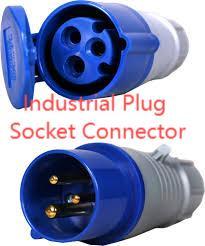
Specifying reliable power interfaces at the design stage pays dividends: a well-chosen Industrial Plug Socket Connector minimizes installation errors and simplifies maintenance in demanding environments. Maintenance teams increasingly prefer modular Industrial Plug Socket Connector designs because they allow quick part replacement, reduce downtime, and standardize spares across facilities.
1. Defining Performance Requirements
Begin by mapping the electrical and mechanical needs of the application. Determine rated voltage, continuous current, and expected peak loads, then add environmental constraints such as temperature range, vibration, and exposure to liquids or chemicals. Match those needs to contact ratings, insulation materials, and the connector’s mechanical endurance. Don’t forget mechanical keying or locking options to prevent mismating in busy industrial settings.
2. Contact Materials and Plating Choices
Contacts determine long-term electrical performance. Copper alloys provide base conductivity, while plating—silver, nickel, or gold—balances conductivity, corrosion resistance, and cost. Silver offers excellent conductivity and is common for high-current contacts, while gold is chosen for low-voltage signal pins to prevent oxidation. Consider the operating environment: corrosive atmospheres or frequent mating cycles influence the optimal plating and contact spring design.
3. Sealing, Glands, and Ingress Protection
Ingress protection is essential where dust, liquids, or washdowns occur. Choose connectors with appropriate IP ratings and durable elastomer seals. Cable glands and strain reliefs must match cable diameters and maintain seal integrity over time. For movable or vibration-prone installations, select glands that retain compression and prevent seal creep. Proper sealing not only prevents short circuits but also preserves insulating properties and contact reliability.
4. Nante Certification and Testing
Request documented test data to confirm product claims: mating cycles, dielectric strength, contact resistance, and environmental simulations such as salt spray and thermal cycling. Certified components ease acceptance into regulated projects and reduce the risk of field failures. Factory acceptance testing and sample inspections are practical steps to verify that production units match approved prototypes.
5. Thermal Behaviour and Derating
Heat is a primary aging factor for connectors. Review continuous current ratings and apply derating for higher ambient temperatures or clustered installations where multiple connectors share thermal pathways. Designs that facilitate heat dissipation—conductive mounting plates, ventilation in enclosures, or spaced layouts—help keep contact temperatures in safe ranges. When in doubt, choose a slightly higher-rated connector to extend service life.
6. Mechanical Integration and Mounting
Mechanical considerations include mounting footprint, panel cutouts, and alignment tolerances. Screw or bayonet locks must resist vibration and accidental disconnection; captive fasteners simplify maintenance. For panel-mounted systems, ensure sufficient rear clearance for cable bends and strain reliefs. Where frequent changes are expected, designs that allow quick-release or tool-less access to inserts reduce downtime and ease servicing.
7. Lifecycle Management and Spares Strategy
Plan spares and replacement workflows before deployment. Standardize on connector families with interchangeable inserts and available spare gaskets to minimize inventory complexity. Keep a handful of common inserts and sealing kits onsite for rapid repairs. Document the configuration—pinouts, torque specs, and mating partners—in maintenance manuals so technicians can perform consistent, safe replacements.
8. Testing and Preventive Maintenance
Implement routine inspections: visual checks for seal degradation, torque verification on terminals, and occasional contact resistance measurements. Periodic cleaning with recommended agents removes deposits that increase resistance. For critical circuits, include redundancy or hot-swap options to avoid single-point failures during maintenance.
Conclusion
Choosing the right heavy-duty connector involves electrical, mechanical, and environmental trade-offs. Prioritize durable contact systems, robust sealing, clear certification records, and a spares-friendly strategy to maximize uptime and reduce lifecycle costs. Thoughtful selection, correct installation, and regular maintenance ensure connectors deliver dependable service in the most demanding industrial applications. For more technical detail and installation guidance, please see https://www.nante.com/news/industry-news/what-is-industrial-plug.html
 Dutch
Dutch
 English
 Arabic
 French
 Spanish
 Portuguese
 Deutsch
 Turkish
 Italiano
 Russian
 Romaian
 Portuguese (Brazil)
 Greek
Greek