


Will Even Spool Winding Reduce Feed Problems In Robotic Lines
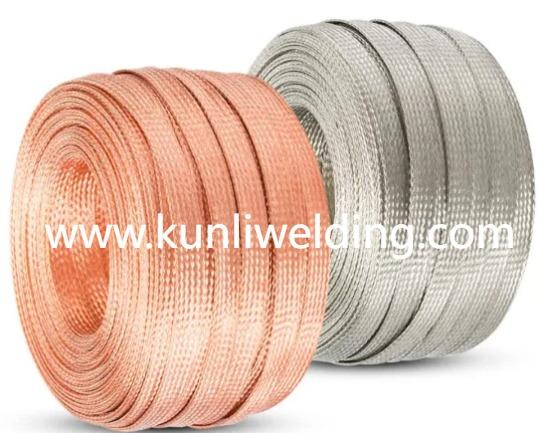
When workshop teams need to pick the correct filler for a repair or production run, visual checks are a fast first step before any qualification tests. Aluminum Alloy Welding Wire Suppliers often mark spools and packages with core identifying information, and learning the visual clues that separate alloy families and product formats helps fabricators avoid feed issues and reduces time spent on trial welds.
Begin with packaging and labels. Legitimate suppliers print alloy type, diameter and batch identifiers on the spool flange or the outer box. Look for readable text that includes handling notes, recommended process and a lot code; those details let you match a spool to a qualified procedure at the cell and support traceability if an anomaly appears in service. When packaging lacks clear marking treat the material as suspect and isolate it for verification.
Surface finish provides another quick clue. Some aluminum wires arrive bright and uniform, while others show a faint dulling film or a fine protective coating. A bright, smooth surface often indicates fresh machining and careful packing; a dusty or irregular surface suggests extended storage or contamination. Hands-on teams who inspect leader lengths before threading the liner reduce porosity risk by catching contaminated spools early.
Spool winding and leader presentation matter for feed reliability. Even, tightly wound layers and a neatly secured leader reveal supplier control during winding. Conversely, loose wraps or uneven layering can introduce memory that causes feeding issues in long liner runs or robotic towers. Check the leader for kinks and for consistent roundness; a distorted leader is a common precursor to burn back and feed hesitation.
Physical differences in wire temper and diameter are visible at close range. Softer temper wire may show minor flattening where it sat under pressure on the spool edge, and very flexible product will flex perceptibly when unsupported. Diameter is stamped on labels, but when quick verification is needed a calibrated micrometer on the leader gives a practical reading. Keep a small set of gauges at the spool rack for rapid checks before changeover.
Color coding is used by some manufacturers to speed identification. Colored spool flanges, printed bands on the reel or colored inner cores can indicate wire family or diameter, but colour systems vary by producer and should not replace label verification. Cross check any color cue with the printed alloy marking before use to prevent mismatches at the torch.
Check the spool's documentation pocket when present. Many suppliers include a small data sheet with handling notes, storage recommendations and suggested drive roll profiles. Those notes reduce feed-related trial and error when a new spool format is introduced into production. Make it standard practice to attach that sheet to the job ticket so operators and maintenance staff see the recommended settings at changeover.
Examine the end fittings and protective packaging. Spools that arrive with sealed ends, moisture resistant wrapping or protective caps on their flanges are less likely to carry surface films that cause porosity. If a spool lacks protective caps, adopt a brief incoming inspection that checks for evidence of oxidation or handling damage before it reaches the feeder.
When alloy identification remains uncertain after visual checks, traceability is the fallback. A lot code or batch number printed on the spool lets you query the supplier for a certificate of conformity or a production record. Suppliers that maintain clear batch linked records accelerate root cause work and avoid wide quarantines when a single spool is at fault.
Integrate these visual checks into a short incoming inspection checklist: verify label and lot code, inspect surface condition and leader straightness, confirm spool winding and packaging, and attach the supplier data sheet to the job file. This routine reduces the chance of feed problems, shortens qualification cycles and keeps the welding cell focused on productive runs rather than troubleshooting.
For procurement and shopfloor teams seeking consistent supply and handling guidance, start conversations with suppliers that provide clear labelling, handling notes and batch traceability. Manufacturer product pages and technical datasheets give the specific advice your operators need; include supplier identifiers in work orders and retain batch numbers through production. For product details and spool formats consult the manufacturer resource at www.kunliwelding.com .

 English
 Arabic
 French
 Spanish
 Portuguese
 Deutsch
 Turkish
 Dutch
Dutch
 Russian
 Romaian
 Portuguese (Brazil)
 Greek
Greek