


High-Strength PVC Inflatable Fabric for Industrial Inflatables
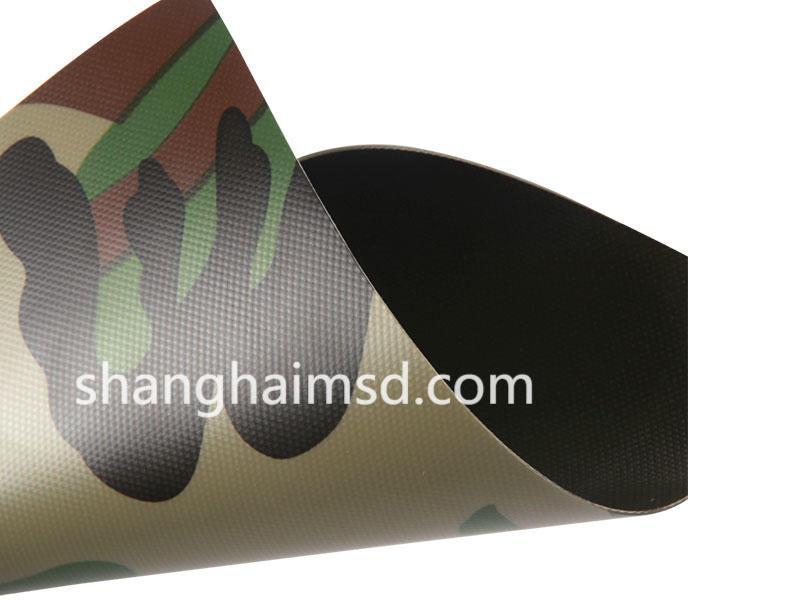
In modern inflatable products, achieving reliable performance requires materials that combine flexibility, strength, and resistance to environmental stressors. PVC Inflatable Fabric has emerged as a preferred material for these applications, offering a balance of mechanical stability and processability that supports marine, recreational, and industrial products. Companies such as Shanghai MSD International Trade Co., Ltd. continue to innovate both material composition and quality assurance procedures, ensuring the highest standards in performance and reliability.
The foundation of PVC inflatable textiles lies in their composite construction, which integrates a woven polyester or nylon base with multiple layers of PVC coating. The textile substrate provides the framework to resist tension, while the polymer coating delivers air retention, puncture resistance, and environmental protection. This combination enables products to withstand repeated inflation, folding, and handling without losing structural integrity, making it ideal for inflatable boats, floating docks, rafts, and emergency shelters.
Manufacturing processes play a significant role in the material’s durability. Techniques such as knife coating, hot lamination, and calendering allow precise control of coating thickness and adhesion. These methods ensure uniform surfaces that are essential for high-frequency welding or heat sealing, producing airtight seams that remain strong even under dynamic conditions. Variations in processing parameters, such as temperature, pressure, and coating viscosity, are carefully optimized to prevent defects like delamination, bubbles, or uneven stretch.
One of the most critical performance considerations for PVC inflatable fabric is tensile and tear strength. Inflatable products are constantly subjected to localized stress, including impacts, abrasion, and stretching. By testing these fabrics with standardized methods, manufacturers can quantify their resistance to puncture and force propagation. Tests often include controlled inflation cycles, point-load tear resistance, and seam strength evaluations. Materials that successfully pass these assessments are deemed suitable for both consumer and professional-grade inflatables.
Environmental resistance is another essential property. UV exposure, moisture, saltwater, and temperature fluctuations can degrade lesser materials. High-quality PVC coatings include stabilizers, anti-oxidants, and UV inhibitors that maintain flexibility and surface appearance over extended use. Cold-weather additives allow the material to retain elasticity in sub-zero temperatures, ensuring emergency shelters and marine inflatables remain reliable. Similarly, waterproof coatings prevent water absorption, which could otherwise compromise structural strength or increase weight.
Air retention is central to the functionality of inflatable devices. Even minimal micro-leaks can reduce performance or safety. Material engineers measure pressure decay under standardized conditions to ensure air-tightness. These tests, combined with seam welding evaluation, help optimize fabric formulation and layer thickness to achieve a reliable seal. Shanghai MSD incorporates rigorous inspection procedures to confirm that each roll of PVC-coated fabric meets the stringent performance requirements demanded by its global customers.
Specialized performance characteristics also extend to chemical resistance and surface finish. Industrial inflatables used for spill containment or portable storage must withstand oils, fuels, and cleaning agents without degrading. Similarly, surface textures—ranging from smooth glossy finishes to textured slip-resistant coatings—are engineered to enhance usability in marine, recreational, and event applications. By controlling coating additives and lamination techniques, manufacturers can provide fabrics tailored to specific functional needs.
Portability and weight optimization continue to drive innovation in the industry. While heavy-duty marine-grade fabrics provide maximum strength, lighter versions of PVC-coated textiles allow easy transport for recreational and promotional applications. These lightweight fabrics maintain adequate tensile strength and air-tight performance, supporting portable inflatable tents, floatation platforms, and advertising inflatables.
Finally, regulatory compliance and certification are increasingly important in material development. Fire-retardant additives, antimicrobial coatings, and environmentally compliant plasticizers ensure that products meet international standards. Quality control systems, including batch traceability and mechanical testing, guarantee consistent performance across production runs. By combining material innovation with rigorous testing, Shanghai MSD ensures that its PVC inflatable fabrics remain at the forefront of industry reliability.For detailed information about material composition, processing techniques, and application insights for inflatable-grade PVC fabrics, visit:
https://www.shanghaimsd.com/news/industry-news/pvc-inflatable-boat-fabric-the-core-material-that-make-inflatable-boats-stronger.html .

 Arabic
 French
 Spanish
 Portuguese
 Deutsch
 Turkish
 Dutch
Dutch
 Italiano
 Russian
 Romaian
 Portuguese (Brazil)
 Greek
Greek