


Smart Lighting Control Systems in India: Redefining Energy Efficiency and Modern Living
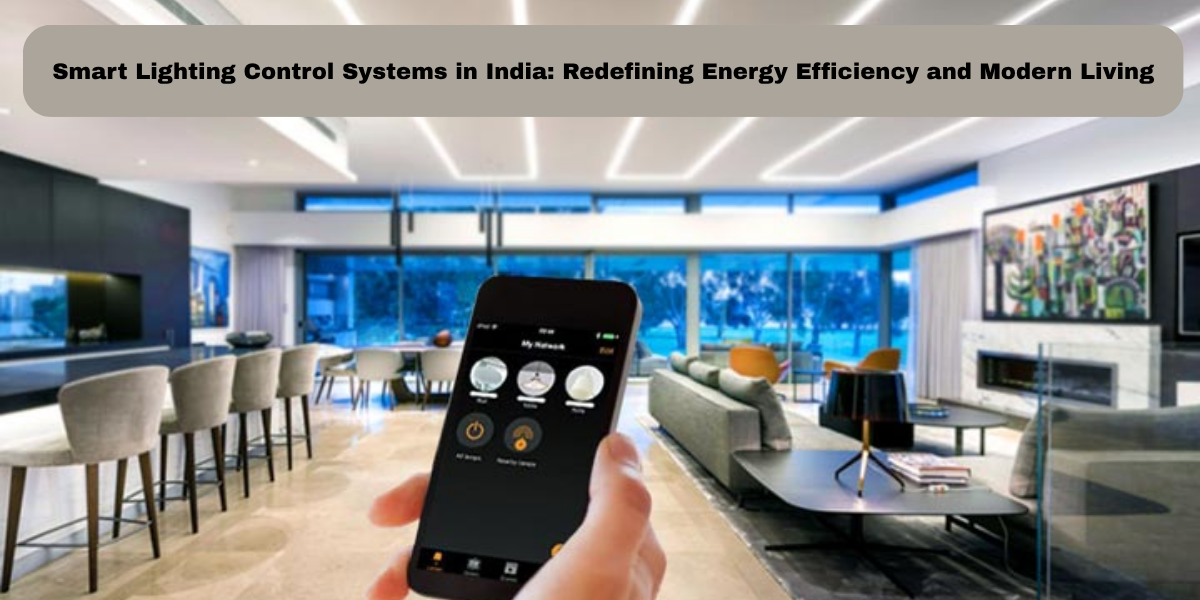
As India continues to embrace digital transformation and sustainable development, smart lighting control systems have emerged as one of the most innovative advancements in energy management. With growing urbanization, the demand for energy-efficient lighting in homes, offices, and public spaces has significantly increased. Smart lighting solutions not only conserve power but also enhance comfort, convenience, and safety through automation and intelligent control.
Understanding Smart Lighting Control Systems
Smart lighting control systems are advanced technologies designed to automatically adjust light levels, colors, and operation schedules using sensors, timers, and connectivity features. These systems can be controlled remotely through smartphones, tablets, or integrated automation systems. By using technologies such as IoT (Internet of Things), motion detection, and daylight harvesting, smart lighting enables real-time control and energy optimization.
Key components of smart lighting systems include:
-
Occupancy Sensors: Detect human presence and automatically turn lights on or off.
-
Dimmers and Color Tuners: Adjust brightness and light tone for various activities.
-
Wireless Connectivity: Control lights using mobile apps, voice commands, or centralized systems.
-
Integration Capabilities: Work seamlessly with other smart home devices and building automation systems.
NOTE: Homes and offices had achieved remarkable energy savings with smart lighting control systems in India. Automated brightness and motion sensors had optimized lighting use efficiently. Upgrade your property today—embrace intelligent lighting for enhanced comfort, safety, and sustainability.
Benefits of Smart Lighting in India
-
Energy Efficiency:
Smart lighting systems automatically regulate brightness based on ambient light and occupancy. This helps reduce unnecessary power consumption and lowers electricity bills—a significant advantage in a country where energy demand is constantly growing. -
Cost Savings:
While the initial investment may seem higher than traditional systems, the long-term savings in energy and maintenance costs make smart lighting economically beneficial. -
Convenience and Comfort:
Users can customize lighting settings for work, relaxation, or entertainment. Features like remote access and voice control add unmatched convenience. -
Enhanced Security:
Smart lights can simulate occupancy while residents are away, deterring intruders. Motion-activated lighting also increases safety in outdoor spaces. -
Sustainability:
Smart lighting contributes to India’s renewable and green energy goals by minimizing energy waste and supporting eco-friendly infrastructure initiatives.
Adoption of Smart Lighting in India

India’s shift toward smart lighting is accelerating due to several factors:
-
Urban Development: Smart cities like Pune, Bengaluru, and Ahmedabad are integrating intelligent lighting into public infrastructure.
-
Government Initiatives: Programs under the Smart Cities Mission and Energy Efficiency Services Limited (EESL) promote the adoption of LED and automated lighting systems.
-
Commercial Demand: Corporate offices, IT parks, and malls use smart lighting to enhance aesthetics and reduce operational costs.
-
Residential Growth: Increasing consumer awareness and affordable IoT devices are driving adoption in modern homes and apartments.
Applications of Smart Lighting Systems
-
Homes: Automated lighting for convenience, ambience, and energy savings.
-
Offices and Workspaces: Efficient lighting that adapts to occupancy and daylight for improved productivity.
-
Retail and Hospitality: Dynamic lighting for aesthetics and customer engagement.
-
Public Infrastructure: Smart streetlights that reduce energy waste and maintenance costs.
Challenges and Future Outlook
Although smart lighting adoption in India is growing, challenges such as high upfront costs, lack of awareness, and inconsistent internet connectivity remain. However, with the rapid expansion of IoT networks, 5G infrastructure, and falling technology costs, smart lighting systems are expected to become standard across residential and commercial spaces.
India’s future in lighting technology is bright—literally and figuratively. Smart lighting control systems are at the forefront of this transformation, combining sustainability, innovation, and efficiency.
Conclusion
Smart lighting control systems in India are transforming the way we illuminate our surroundings. From enhancing aesthetics and comfort to ensuring energy conservation, these systems align perfectly with India’s vision for a sustainable, tech-driven future. As the country advances toward smarter homes, cities, and industries, intelligent lighting will continue to play a vital role in shaping a brighter, greener tomorrow.

 English
 Arabic
 French
 Spanish
 Portuguese
 Turkish
 Dutch
Dutch
 Italiano
 Russian
 Romaian
 Portuguese (Brazil)
 Greek
Greek