


The Gramophone and Its Place in the Indian Middle-Class Home
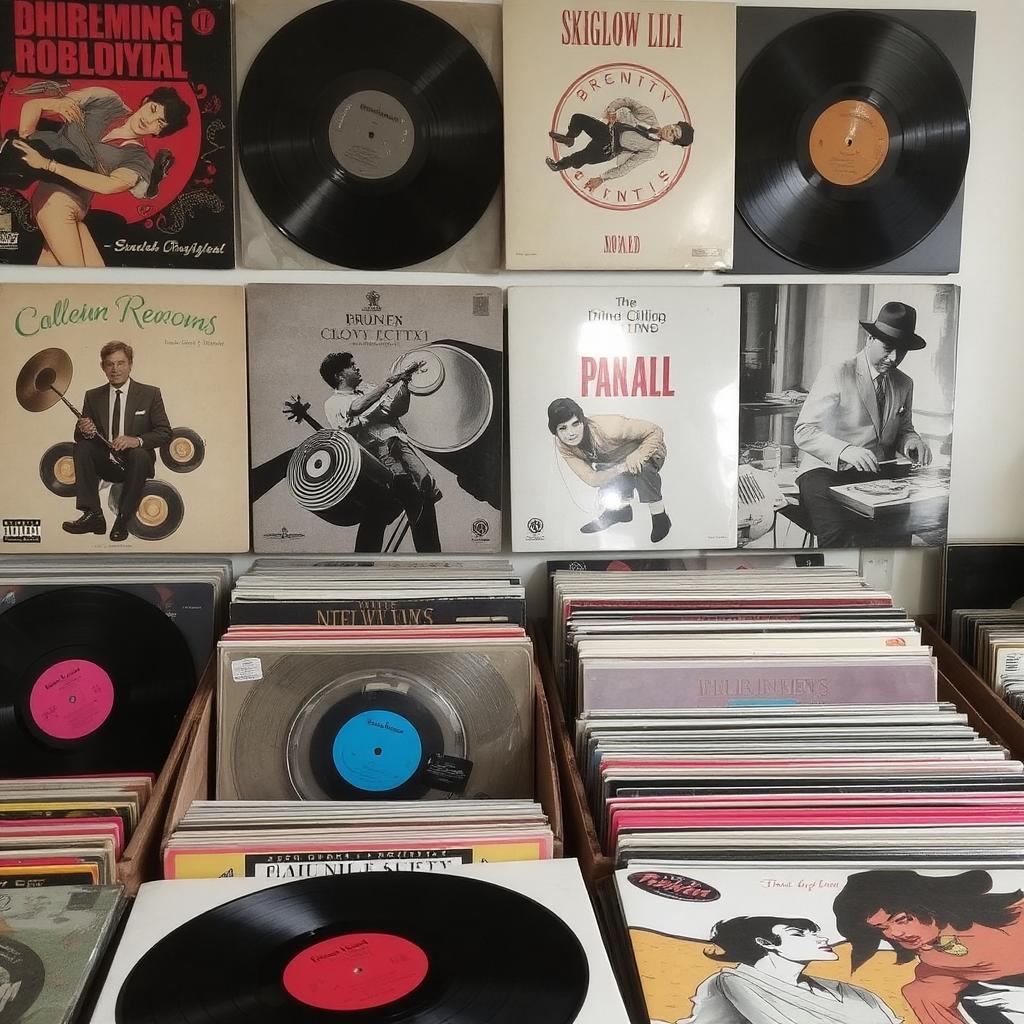
In the collective memory of a nation, certain objects transcend their utilitarian purpose to become powerful cultural symbols. For post-independence India, few objects held as much social and emotional weight as the gramophone. More than just a device for playing music, it was a centerpiece of middle-class life, a symbol of modernity, and the keeper of the family's auditory heritage. Its prominent placement in the home signified a connection to the wider world of art and culture.
The acquisition of a gramophone was a significant event, often representing a major financial investment and a step up the social ladder. It was not an appliance to be hidden away but a piece of furniture, crafted from rich woods like teak or rosewood, designed to be displayed with pride in the drawing-room. Its very presence spoke of a family's refinement and their participation in the contemporary cultural conversation. The ornate horn, the carefully engineered turntable, and the stash of records in a dedicated cabinet all contributed to its status as a prized possession, a marker of arriving at a certain level of comfort and sophistication.
The gramophone's primary function was as a communal hub for entertainment and family bonding. In an era before television and personal audio devices, it served as the focal point for social gatherings. Evenings and weekends would see families and neighbors gathered around it for a dedicated listening session. The ritual was as important as the music itself. The careful selection of a record from its paper sleeve, the winding of the clockwork motor with its distinct metallic sound, the precise placement of the steel needle, and the final act of lowering the tone arm—all this built anticipation for the musical experience to come. This ritual transformed listening from a passive activity into an event, fostering a deep and focused appreciation for the music.
The music that emanated from the gramophone shaped the domestic soundscape and the emotional life of the household. The choice of record reflected the time of day and the family's mood. A morning might begin with the devotional strains of a bhajan or a classical raga, setting a serene tone for the day. The afternoon could be filled with the playful energy of a comedy skit or a lighthearted geet. The evening was often reserved for the family's favorite film soundtracks, where the voices of Lata Mangeshkar, Mohammed Rafi, and Kishore Kumar became familiar guests in the home. These records provided the soundtrack to daily life, their melodies scoring everything from festive celebrations to quiet moments of reflection.
Furthermore, the gramophone played a crucial role in cultural transmission and the formation of taste. It was the primary means through which children were exposed to the great classical musicians, the poetic ghazals of Talat Mahmood, and the epic film scores of the golden age. Parents curated their collections with care, and these records became the foundational musical education for the next generation. The gramophone did not just play songs; it instilled a cultural literacy, passing down aesthetic values and a shared auditory heritage from one generation to the next.
The eventual decline of the gramophone, first with the rise of the transistor radio and later the cassette player, marked the end of an era of collective listening. The new technologies offered portability and privacy, fragmenting the family's musical experience. The gramophone, with its imposing presence and communal ritual, became a relic of a different time.
Today, as a vintage artifact, the gramophone evokes a powerful sense of nostalgia. It represents a slower, more intentional pace of life, where music was a shared ceremony rather than a personal soundtrack. It stands as a testament to a time when the middle-class Indian home had a physical heart where family and community gathered to connect, not with a screen, but with the warm, crackling, and profoundly human sound of music spinning on a turntable. It was more than a machine; it was a cultural icon that held the power to unite a family in shared emotion and memory. Bollywood Vinyl Records Classical Vinyl Records Devotional Vinyl Records Dialogue Vinyl Records Dj Remix Vinyl Records English Vinyl Records Film Hits Vinyl Records Ghazals Vinyl Records Instrumental Vinyl Records Non Filmi LP Records Punjabi Vinyl Records Rare Vinyl Records Online Vinyl Shop God Idols, Pooja Murti, Religious Statues, Handmade God Statues Chardham Hotels Online Chardham Hotels in Chardham Hotels in Uttarkashi - Uttarkashi Hotels

 English
 Arabic
 Spanish
 Portuguese
 Deutsch
 Turkish
 Dutch
Dutch
 Italiano
 Russian
 Romaian
 Portuguese (Brazil)
 Greek
Greek