


The Power of BIM Modeling in Construction Estimation
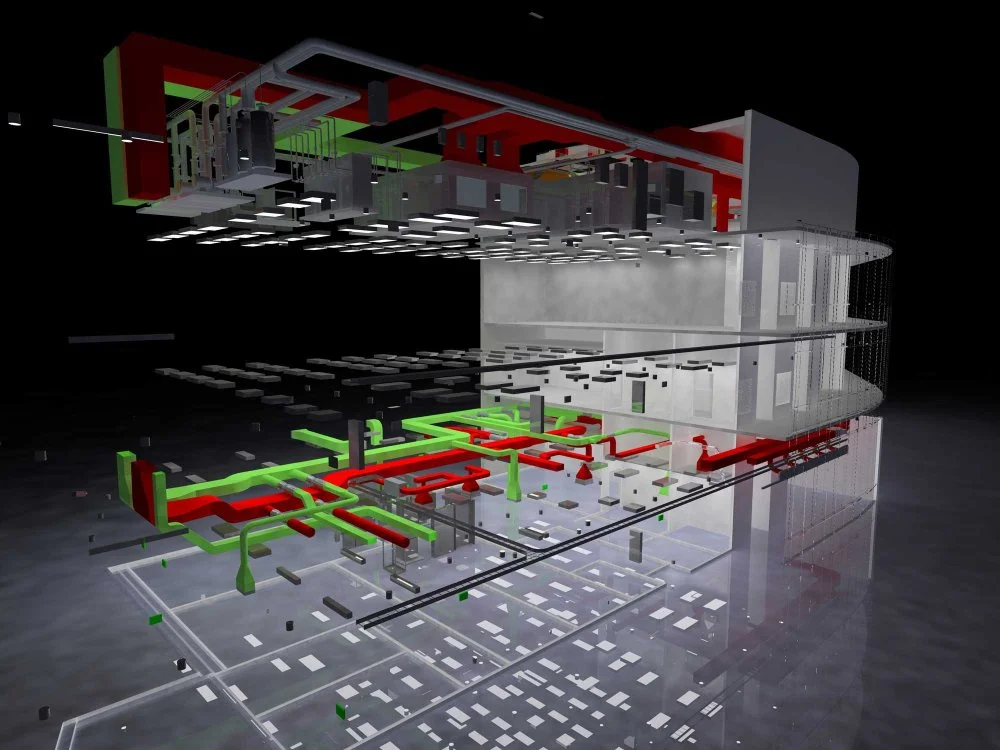
Construction estimating used to be an exercise in re-creation: read the drawings, count items, translate into beds of numbers, and hope nothing was missed. That era is passing. Today, models do the heavy counting and hand estimators the context they need to make real decisions. BIM Modeling Services supply clean, extractable data; Construction Estimating Services convert that data into priced plans you can act on. Together, they shorten timelines, reduce errors, and make budgets less of a gamble.
Models as structured inputs, not pretty pictures
A good model is a database dressed as a building. Walls, slabs, openings, gs, and systems carry attributes — material, unit, finish, orientation — that an estimator can query directly. When BIM Modeling Services deliver files where families are named consistently and critical parameters are present, many of the traditional counting errors vanish. The result: quantity takeoffs become extracts you check, rather than laborious measurements you re-create.
This matters because it changes the estimator’s role. Instead of spending hours tallying, the estimator verifies assumptions, chooses sensible productivity factors, and focuses on supplier risk. The model handles the repeatable work; the estimator adjudication where it counts.
A short workflow that actually works
You don’t need a complex rollout to gain value. A compact, repeatable loop captures most benefits and keeps the process predictable.
-
Agree Level of Detail (LOD) and the minimal parameter set at kickoff.
-
Use consistent family naming and shared parameters across disciplines.
-
Run a pilot extract on a representative zone or floor to find gaps.
-
Condition the QTO and map families to your WBS or cost codes.
-
Apply dated local rates and visually validate a sample of critical items.
When Construction Estimating Service receives a conditioned extract, the pricing step becomes fast, accurate, and less error-prone. The pilot extract is the highest-leverage action: fix the little issues t, here and you largely avoid last-minute cleanup.
Where the model improves accuracy and defensibility
Three practical advantages stand out when models and estimating are aligned.
-
Repeatability. Parameterized families placed across floors behave identically, so repeats do not disappear into the noise.
-
Traceability. Each priced line can be linked back to a model object and a model version — invaluable during clarifications.
-
Speed. Automated quantity extraction replaces manual counting for many items, freeing time for market checks and negotiation.
Because BIM Modeling Services produce structured exports, Construction Estimating Services can show not only numbers but provenance: model snapshot, extract line, and rate source. That provenance turns disputes into quick checks rather than long arguments.
People still make the final. call
A model produces numbers; people supply context. No model will know about a narrow site access window, an uninspected ground condition, or a local supplier’s temporary backlog. That is where the experience embedded in Construction Estimating Services comes into play: overlaying productivity factors, staging allowances, and procurement strategy on top of model-derived quantities.
Keep an assumptions log with every estimate. Note productivity rates, exclusions, and key procurement risks. That short document makes the priced output auditable and keeps later conversations grounded.
Practical checks that save hours
Most problems are caused by small, avoidable issues. Add a few lightweight controls, and you prevent the usual rework.
-
A one-page naming and tagging guide is attached to every model handover.
-
A minimal parameter gate: material, unit, and finish must be present for extractable families.
-
Pilot extract matched to a short manual sample before full QTO.
-
A dated price library where each unit rate includes its source.
These simple habits stop hours of data cleaning and let estimators focus on judgment rather than busywork. They also build trust between modelers and cost teams.
Faster scenario testing, better decisions
One of the most useful day-to-day outcomes is speed when testing alternatives. Swap a cladding type, change floor finishes, or alter an MEP routing — update the model, re-extract, and reprice. What used to take days often becomes hours. That capability turns value engineering into a practical, iterative tool rather than a panic exercise at tender time.
When BIM Modeling Services and Construction Estimating Services operate on the same mapping rules, scenario testing is straightforward and repeatable. Owners see clear trade-offs; designers get timely feedback; estimators present multiple priced options with confidence.
Measure impact and iterate
If you want to scale model-led estimating, track a few practical metrics during pilot projects:
-
Hours per takeoff (before vs after).
-
Variance between the estimate and procurement quantities.
-
Number and value of scope-related change orders.
-
Time from model handover to locked procurement baseline.
Improvements in these metrics validate the approach and highlight where naming rules, mapping tables, or training need refinement.
Start small, gain trust, scale.e
Begin with a pilot: a typical floor or a repeatable trade. Share the naming and tagging guide, run the pilot extract, compare it to a manual takeoff, fix issues, and refine the mapping table. Small, repeatable wins build trust faster than a big-bang rollout.
Conclusion
The real power of BIM Modeling Services lies in turning design into structured data. The value of Construction Estimating Services is applying market knowledge and judgement to that data so numbers are realistic and defensible. Together, er they shorten tender cycles, reduce omissions, and give teams the confidence to test options quickly. Start with a simple workflow, enforce a few discipline habits, and let the model handle counting so your people can do the work that really protects margin.
 Spanish
 English
 Arabic
 French
 Portuguese
 Deutsch
 Turkish
 Dutch
Dutch
 Italiano
 Russian
 Romaian
 Portuguese (Brazil)
 Greek
Greek