


What Treatments Are Available for Parasitic Worm Infections?
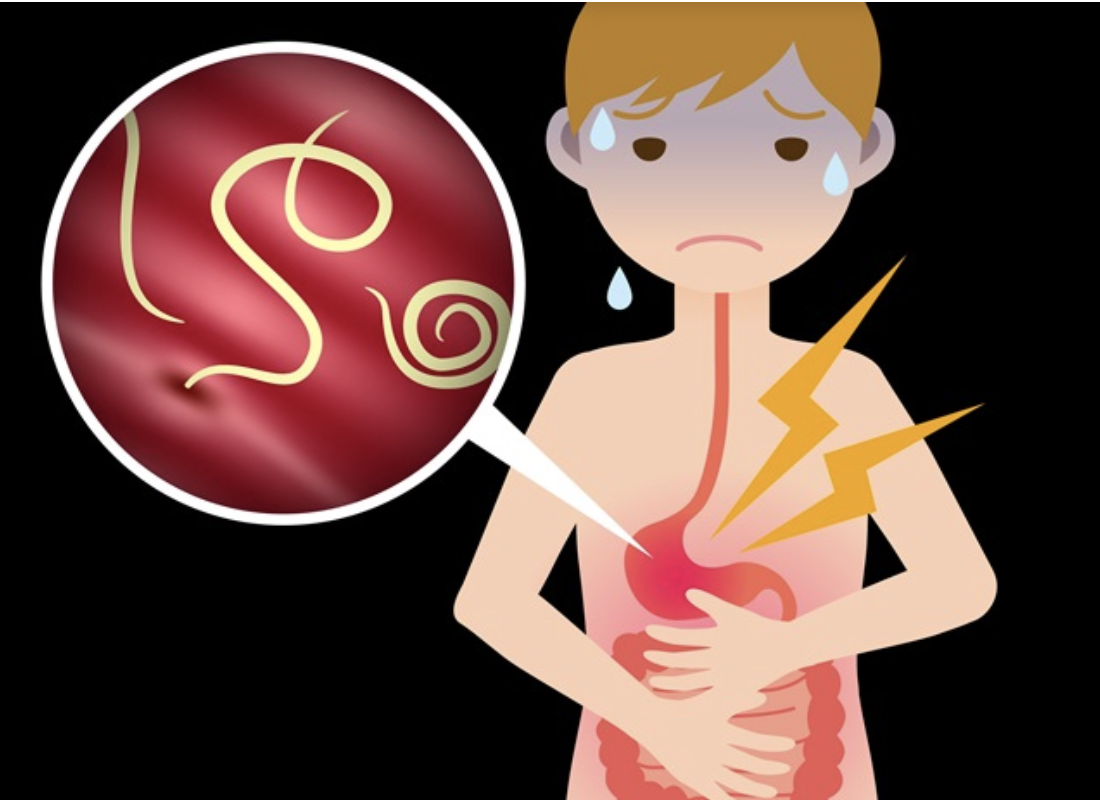
Parasitic worm infections also known as helminthiases represent a significant global health burden. These infections are caused by a range of multicellular parasitic worms, including nematodes (roundworms), cestodes (tapeworms), and trematodes (flukes). They can affect the gastrointestinal tract, blood, tissues, and other organs. Effective treatment is essential to eliminate the parasite, reduce symptoms, prevent complications, and break transmission cycles.
Overview of Common Parasitic Worms
Helminths encompass several major groups:
-
Nematodes (roundworms): Examples include Ascaris lumbricoides (large roundworm), Ancylostoma duodenale/Necator americanus (hookworms), Trichuris trichiura (whipworm), and Strongyloides stercoralis.
-
Cestodes (tapeworms): Examples include Taenia solium (pork tapeworm), Taenia saginata (beef tapeworm), and Echinococcus species.
-
Trematodes (flukes): Examples include Schistosoma species (blood flukes) and Fasciola hepatica (liver fluke).
Each group may require specific treatments, though many antiparasitic agents have broad activity.
Principles of Treatment
The goals of treatment are to:
-
Kill or expel the parasites
-
Relieve symptoms
-
Prevent reinfection
-
Manage complications
Treatment choice depends on the worm species, infection severity, patient age and weight, pregnancy status, co-infections, and access to medications.
First-Line Anthelmintic Medications
1. Albendazole and Mebendazole
Albendazole and mebendazole are benzimidazole anthelmintics widely used as first-line treatments for many intestinal nematode infections:
-
Albendazole is effective against roundworms, hookworms, and whipworms.
-
Mebendazole is also effective against these infections and is commonly used in mass drug administration programs.
Mechanism of action: These agents inhibit microtubule formation in parasites, impairing glucose uptake and leading to death.
Dosing examples:
-
Albendazole: Single dose of 400 mg for most soil-transmitted helminths; multiple doses may be used for specific clinical scenarios.
-
Mebendazole: Typically 100 mg twice daily for three days or 500 mg single dose.
Both are generally well tolerated; adverse effects can include transient abdominal discomfort and headache.
2. Praziquantel
Praziquantel is the primary therapy for most trematode and cestode infections, including schistosomiasis and tapeworm infections.
Mechanism of action: It increases parasite membrane permeability to calcium, causing paralysis and death.
Indications:
-
Schistosomiasis (blood flukes): Single or divided doses based on species and intensity.
-
Cestode infections: Effective against adult tapeworms; dosing is species-specific.
Praziquantel is usually well tolerated, but side effects can include dizziness, headache, and abdominal pain.
3. Ivermectin
Ivermectin has revolutionized treatment for several parasitic infections.
Indications:
-
Strongyloidiasis
-
Onchocerciasis (river blindness)
-
Used in some mass drug administration campaigns.
Mechanism of action: It binds to glutamate-gated chloride channels in parasites, causing paralysis.
Typical dosing: Single oral dose (200 mcg/kg). Adjustments may be needed for body weight variations.
Ivermectin is generally safe but can interact with other medications and is contraindicated in some neurological conditions.
4. Nitazoxanide and the Keyword: nitazoxanide wholesale
Nitazoxanide is a broad-spectrum antiparasitic and antiviral agent that has gained recognition for treating certain protozoal and helminthic infections. In clinical practice, accessibility of medications can be influenced by pharmaceutical supply channels; for example, clinics and health organizations may procure nitazoxanide from nitazoxanide wholesale suppliers to ensure adequate stock for community treatment programs.
Mechanism of action: Nitazoxanide interferes with the pyruvate:ferredoxin oxidoreductase enzyme-dependent electron transfer reaction, which is essential for anaerobic energy metabolism in microbes and parasites.
Indications:
-
Effective against some protozoal infections (e.g., Giardia lamblia, Cryptosporidium parvum)
-
Certain helminth infections have shown responsiveness in research settings.
Nitazoxanide dosing typically involves an oral course for several days. It is generally well tolerated, with occasional gastrointestinal upset or headache.
In regions with high prevalence of mixed infections, availability of nitazoxanide sourced through nitazoxanide wholesale channels supports broader treatment coverage, particularly where combination therapy is part of a national deworming strategy.
Combination Therapies
In many settings, especially where multiple helminth infections are common, combination therapy may be advisable:
-
Albendazole + Ivermectin: Used in mass drug administration against lymphatic filariasis and certain nematodes.
-
Praziquantel + Albendazole: In regions with schistosomiasis and soil-transmitted helminths, coordinated treatment regimens improve overall parasite control.
Combination therapy can reduce overall worm burden, target diverse parasites, and support community health goals.
Special Populations
Pregnancy and Lactation
-
Albendazole and mebendazole: Generally avoided in the first trimester; can be used later in pregnancy when benefits outweigh risks.
-
Praziquantel: Considered safe in pregnancy for schistosomiasis.
-
Ivermectin: Limited safety data in pregnancy; used only when clearly indicated.
-
Nitazoxanide: Safety in pregnancy is not well established; typically used if other therapies are unsuitable and under medical supervision.
Clinical decisions in pregnancy require careful risk benefit assessment.
Management of Complications
Some parasitic worm infections can lead to complications requiring additional intervention:
-
Intestinal obstruction: Particularly with heavy Ascaris infestation; may require surgical management.
-
Anemia: Common with hookworm infections; may require iron supplementation and nutritional support.
-
Eosinophilia and tissue involvement: May necessitate corticosteroids or supportive care, especially in severe inflammatory responses.
Public Health and Preventive Strategies
Effective treatment must be paired with preventive measures:
-
Water, Sanitation, and Hygiene (WASH): Improved water and sanitation reduce transmission of many helminths.
-
Mass Drug Administration (MDA): Periodic deworming campaigns provide prophylactic treatment to at-risk populations.
-
Health Education: Educating communities about hygiene, safe food handling, and footwear reduces infection risk.
-
Vector Control: For infections like schistosomiasis, snail control and exposure management are essential.
Public health strategies are integral to reducing global helminth burdens.
Access and Supply Considerations
Availability of medications such as albendazole, praziquantel, ivermectin, and nitazoxanide can be constrained by supply networks. Procuring medications through cost-effective channels, such as nitazoxanide wholesale vendors, enables health systems especially in low-resource settings to maintain consistent treatment availability. Bulk procurement lowers unit costs, supports large-scale treatment programs, and enhances stock stability across clinics and public health centers.
Stakeholders, including ministries of health, non-governmental organizations, and international agencies, often coordinate procurement to ensure equitable access.
Conclusion
Parasitic worm infections remain a significant health challenge globally. Treatment regimens rely on effective anthelmintic agents tailored to the specific parasite type. Albendazole, mebendazole, praziquantel, and ivermectin form the backbone of helminth therapy, with additional options like nitazoxanide offering broader antimicrobial coverage in certain contexts. Procurement strategies, including access to nitazoxanide wholesale supplies, play a role in ensuring availability for large-scale interventions.
Successful control of helminth infections requires a dual approach: effective clinical management for infected individuals and robust public health strategies to prevent transmission and reinfection. With coordinated action, the global burden of parasitic worms can be significantly reduced, improving health outcomes in affected populations.

 English
 Arabic
 French
 Spanish
 Portuguese
 Deutsch
 Turkish
 Dutch
Dutch
 Italiano
 Russian
 Portuguese (Brazil)
 Greek
Greek