
Signs a Patient May Need Oxygen Therapy at Home
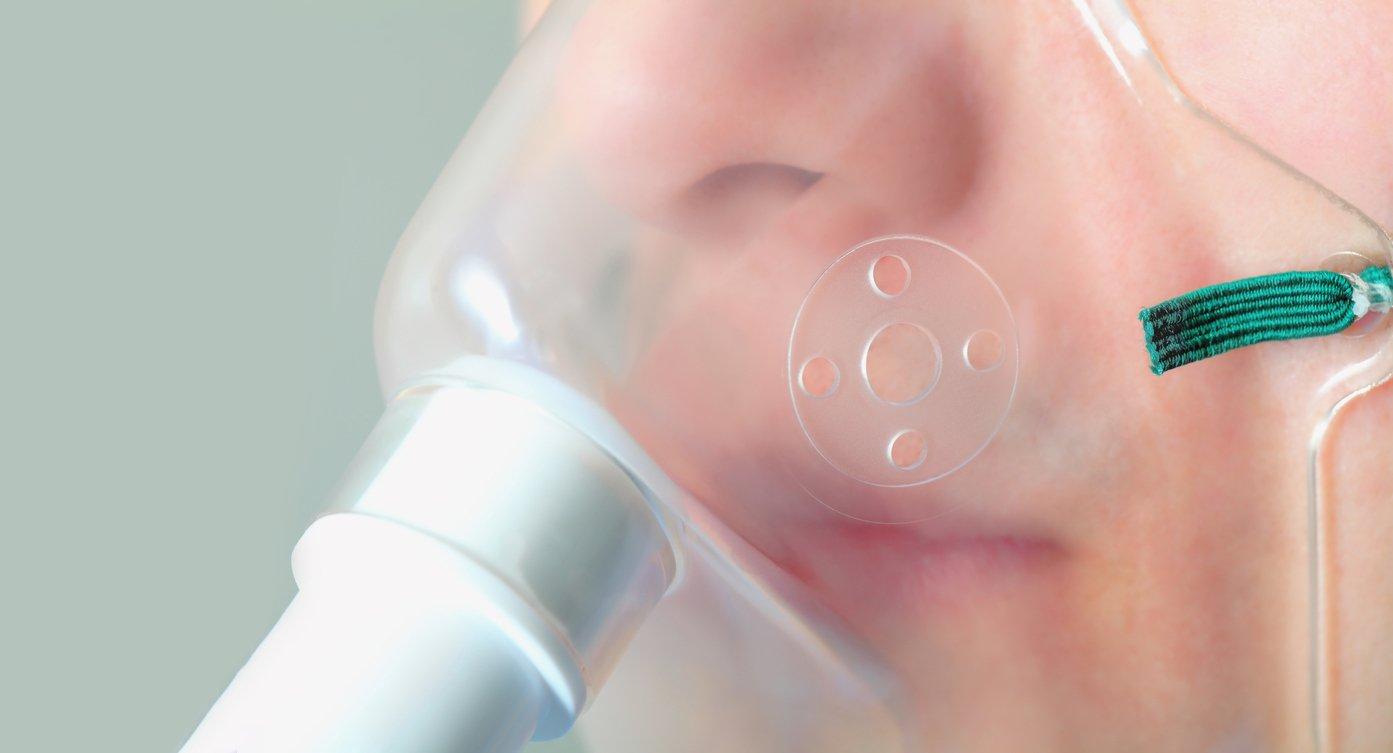
Oxygen Therapy At Home in Dubai is an essential solution for patients experiencing low oxygen levels due to chronic respiratory conditions or acute illnesses. Identifying the signs that indicate a patient may require home oxygen therapy is crucial for timely intervention and improved health outcomes. Early recognition helps patients receive appropriate treatment in a safe and comfortable environment, reducing hospital visits and promoting overall well-being.
Shortness of Breath:
Persistent or worsening shortness of breath is a primary indicator for home oxygen therapy. Key points include:
-
Difficulty breathing during minimal physical activity or rest.
-
Rapid breathing or feeling unable to take a deep breath.
-
Frequent episodes of breathlessness disrupting daily routines.
-
Shortness of breath that is not relieved by standard treatments or medications.
Low Oxygen Saturation Levels:
Medical monitoring often reveals low blood oxygen levels requiring supplemental oxygen. Key points include:
-
Pulse oximeter readings consistently below 90% oxygen saturation.
-
Signs of hypoxemia, such as confusion, headaches, or dizziness.
-
Fatigue and lethargy associated with insufficient oxygen delivery to tissues.
-
Oxygen levels that drop during sleep or physical activity.
Chronic Cough or Wheezing:
Patients with chronic lung conditions may develop persistent respiratory symptoms. Key points include:
-
Continuous cough that does not improve with standard therapy.
-
Wheezing or noisy breathing indicating airway obstruction.
-
Episodes of chest tightness or discomfort affecting daily function.
-
Increased mucus production and frequent respiratory infections.
Cyanosis or Bluish Skin:
Physical signs may indicate low oxygen levels in the blood. Key points include:
-
Bluish coloration around lips, fingertips, or nail beds.
-
Pale or grayish skin tone accompanied by fatigue.
-
Noticeable changes in skin color during exertion or rest.
-
Symptoms that appear suddenly or progressively worsen over time.
Increased Fatigue and Weakness:
Oxygen deprivation can lead to reduced energy levels and general weakness. Key points include:
-
Difficulty performing routine tasks or activities of daily living.
-
Feeling unusually tired despite adequate rest and sleep.
-
Weakness affecting mobility or the ability to exercise safely.
-
Persistent lethargy impacting overall quality of life.
Rapid Heart Rate or Palpitations:
Cardiovascular signs may indicate the body is compensating for low oxygen levels. Key points include:
-
Elevated heart rate even at rest or during mild activity.
-
Palpitations or irregular heartbeat episodes.
-
Shortness of breath accompanied by chest discomfort.
-
Symptoms worsening with exertion or during sleep.
Sleep Disturbances:
Oxygen levels often drop during sleep, affecting overall recovery and health. Key points include:
-
Frequent nighttime awakenings due to breathlessness.
-
Snoring or episodes of apnea (pauses in breathing).
-
Morning headaches or dizziness caused by low oxygen overnight.
-
Excessive daytime sleepiness despite adequate nighttime rest.
History of Chronic Lung or Heart Conditions:
Patients with pre-existing health conditions may require supplemental oxygen at home. Key points include:
-
Chronic obstructive pulmonary disease (COPD) or emphysema.
-
Pulmonary fibrosis or interstitial lung disease.
-
Heart failure or other cardiovascular conditions affecting oxygenation.
-
Recurrent respiratory infections or exacerbations requiring frequent hospital visits.
Benefits of Early Recognition:
Identifying the need for home oxygen therapy can significantly improve patient outcomes. Key points include:
-
Maintaining optimal oxygen levels to support vital organ function.
-
Reducing the risk of complications and hospital admissions.
-
Improving energy, mobility, and overall quality of life.
-
Enabling timely initiation of personalized therapy under medical supervision.
Role of Healthcare Professionals:
Medical guidance ensures safe and effective home oxygen therapy. Key responsibilities include:
-
Evaluating patient symptoms and oxygen levels to determine therapy need.
-
Prescribing appropriate oxygen flow rates and delivery methods.
-
Training patients and caregivers on safe usage and monitoring techniques.
-
Scheduling regular follow-ups to adjust therapy and track recovery progress.
Final Thoughts:
Oxygen Therapy At Home in Dubai is a vital solution for patients displaying signs of low oxygen levels or chronic respiratory challenges. Recognizing symptoms such as shortness of breath, fatigue, cyanosis, rapid heart rate, or sleep disturbances allows timely intervention, ensuring patients receive effective therapy in a comfortable home setting. With professional supervision, proper equipment, and caregiver support, home oxygen therapy enhances recovery, maintains oxygen levels safely, and improves overall quality of life for patients managing both acute and chronic respiratory conditions.

 Arabic
 French
 Spanish
 Portuguese
 Deutsch
 Turkish
 Dutch
Dutch
 Italiano
 Russian
 Romaian
 Portuguese (Brazil)
 Greek
Greek