


What Is the Importance of Positive Air Pressure in the Sterile Storage Area?
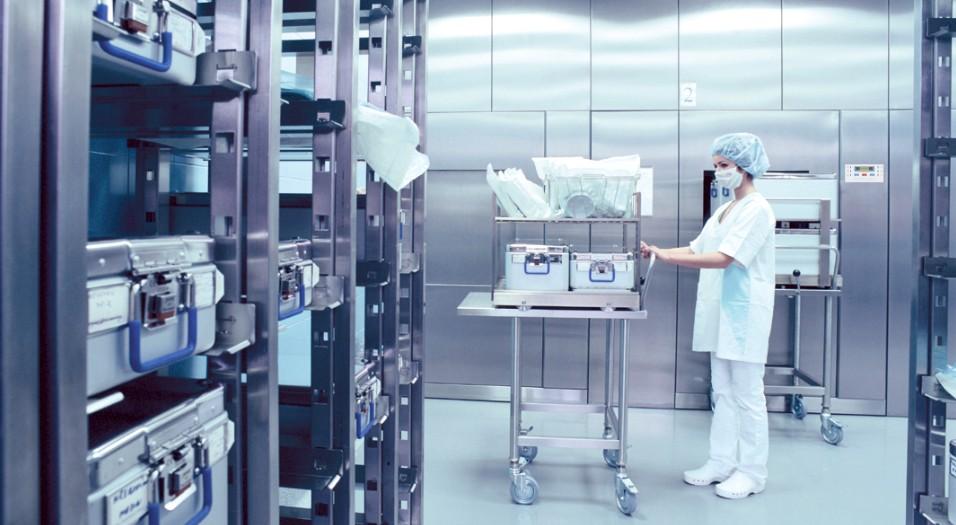
Maintaining sterility does not end once medical instruments have been cleaned and sterilised. The environment in which these items are stored plays a critical role in preserving their integrity until they are used on patients. One of the most important environmental controls in sterile storage areas is positive air pressure. This concept is fundamental in healthcare facilities, particularly within the Sterile Processing Department (SPD), where even minor lapses can increase the risk of contamination. Understanding why positive air pressure matters helps highlight how environmental design, engineering controls, and professional practice all work together to protect patient safety.
Understanding Positive Air Pressure in Sterile Environments
Positive air pressure refers to a condition where the air pressure inside a room is higher than the pressure in adjacent areas. As a result, when doors are opened or small gaps exist, air flows outward rather than inward. In sterile storage areas, this outward airflow is intentional and essential. It prevents airborne contaminants such as dust, microorganisms, and unfiltered air from entering spaces where sterile instruments are kept. Without positive air pressure, contaminated air from hallways or decontamination zones could drift into storage areas. SPD technicians must understand this principle to appreciate how environmental controls support their daily work. Education gained through a Sterile Processing Technician Course helps professionals connect these engineering concepts to real-world infection prevention practices.
Preventing Contamination of Sterile Instruments
The primary purpose of positive air pressure in sterile storage is contamination prevention. Even after instruments are properly sterilised, they remain vulnerable to environmental exposure. Airborne particles can settle on packaging surfaces, compromising sterility over time. Positive air pressure acts as an invisible barrier, constantly pushing clean, filtered air outward and reducing the likelihood of contaminants entering the space. This is especially important in busy healthcare facilities where doors may open frequently. By maintaining controlled airflow, facilities add an extra layer of protection that supports the integrity of sterile supplies. SPD technicians rely on this environmental safeguard to ensure that the instruments they process remain safe from sterilisation through to point of use.
Supporting Compliance With Healthcare Standards
Healthcare regulations and professional guidelines consistently emphasise the importance of proper air pressure differentials in sterile areas. Accrediting bodies often require sterile storage rooms to maintain positive air pressure relative to adjacent spaces. This requirement is not optional; it is based on evidence linking environmental control to reduced infection risk. Failure to maintain appropriate air pressure can result in non-compliance findings during inspections or audits. SPD professionals must be aware of these standards and understand why they exist. Formal education, such as a Sterile Processing Technician Course, prepares technicians to recognise compliant environments and advocate for corrective action when conditions fall short, reinforcing a culture of safety and accountability.
Enhancing the Effectiveness of Sterile Processing Workflows
Positive air pressure also supports efficient and logical sterile processing workflows. SPD areas are typically designed with a clear progression from dirty to clean to sterile spaces. Maintaining higher air pressure in clean and sterile zones ensures airflow moves in the correct direction, away from high-risk areas. This environmental design complements proper workflow and reduces the chance of cross-contamination. When technicians understand how air pressure aligns with department layout, they can better appreciate why adherence to traffic patterns and door protocols matters. Environmental controls and human behaviour work together, and positive air pressure reinforces the separation between contaminated and sterile activities within the department.
Protecting Long-Term Sterility During Storage
Sterile instruments are often stored for extended periods before use. During this time, packaging materials must remain intact and uncontaminated. Positive air pressure helps protect these stored items by maintaining a consistently clean environment. Without it, fluctuations in airflow could introduce contaminants that settle gradually, increasing the risk of compromised sterility without obvious signs. This hidden risk makes environmental control particularly important. SPD technicians are trained to inspect packaging, but prevention is always better than detection. Knowledge gained through a Sterile Processing Technician Course reinforces the idea that maintaining sterility is an ongoing process that extends beyond the steriliser and into the storage environment.
The Role of SPD Technicians in Monitoring Environmental Conditions
While engineers and facility teams manage HVAC systems, SPD technicians play a vital role in monitoring and reporting environmental conditions. Technicians are often the first to notice issues such as unusual airflow, temperature changes, or humidity concerns. Understanding the importance of positive air pressure empowers them to take these observations seriously and escalate concerns appropriately. This proactive role helps prevent small environmental issues from becoming major infection control risks. Training and professional awareness ensure technicians do not view air pressure as a technical detail beyond their responsibility, but as an essential component of patient safety that directly supports their work.
Education and Awareness as Foundations of Safe Practice
Positive air pressure is most effective when supported by knowledgeable professionals who understand its purpose. Without awareness, environmental controls can be taken for granted or overlooked. Education ensures that SPD technicians understand not just how systems function, but why they matter. A comprehensive Sterile Processing Technician Course provides this foundation, linking environmental science, infection prevention, and practical responsibilities. When technicians understand the importance of positive air pressure, they become active participants in maintaining sterile conditions rather than passive users of the space. This shared responsibility strengthens the overall safety and reliability of sterile processing operations.

 English
 Arabic
 French
 Spanish
 Portuguese
 Deutsch
 Turkish
 Dutch
Dutch
 Italiano
 Russian
 Romaian
 Greek
Greek