


Can Bluefire valve and cap choices ease recycling and separation?
Packaging choices are no longer just about shelf appeal; they carry real responsibilities for end of life handling. An Aerosol Can is a product and a waste stream, and ensuring it meets strict international recycling expectations starts at design and continues through labeling, logistics and consumer guidance. Brands that plan for recyclability from the start reduce disruption at collection points and make it easier for material recovery systems to process returned units safely.
Material selection is the obvious starting point. Steel and aluminum bodies are widely used because they are recoverable in many systems, but internal linings, valve components and plastic actuators can complicate sorting and recycling. Choosing coatings that resist contamination of scrap metal and specifying valve materials that separate cleanly in typical processing flows lowers rejection risk at facilities. Suppliers who coordinate lining chemistry with recyclability goals speed acceptance by processors and reduce downstream handling problems.
Design for emptying and safety is equally important. Recovery facilities and regulators emphasise that pressurised containers must not present a hazard to workers; clear consumer instructions on how to discharge a can safely, or established takeback routes for partially full units, cut the frequency of dangerous surprises on sorting lines. Where policy treats certain aerosol waste streams under special handling frameworks, documentation and packaging cues help retailers and consumers comply with local collection options.
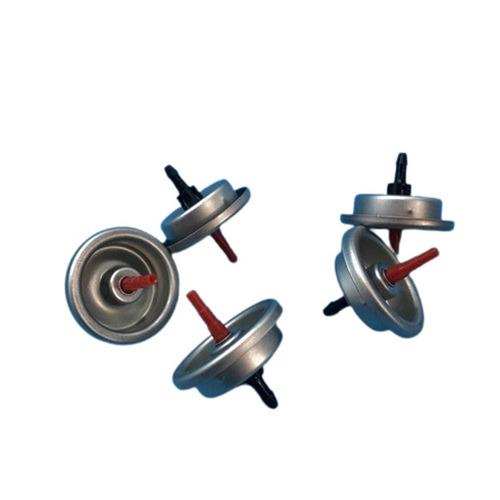
Component design matters in practical ways. Small plastic caps, glued labels and glued-in components can hinder material separation and reduce recovered metal value. Designing valves and caps to be easy to detach, or selecting materials compatible with mainstream metal recovery, improves processing yields. Piloting a few variants in real recycling flows reveals how inks, adhesives and small parts behave on conveyors and in shredders; these insights often lead to small design tweaks that significantly increase recovery rates.
Testing and documentation are the trust builders. Recyclers, auditors and large retail partners want evidence that a package will not create fire or contamination hazards or that it will not block sorting equipment. Practical test records—showing how a lining stands up to filling, storage and transit, or how a valve behaves during a simulated emptying step—help procurement teams demonstrate due diligence. When suppliers publish inspection routines and pilot results, buyers can make defensible choices during listings and avoid late stage rejections.
Consumer-facing labeling completes the loop. Clear, concise instructions near the actuator that explain how to make a can "as empty as possible" and where to return partially full units reduce incorrect disposal. Consistent phrasing and a short icon set make guidance usable at a glance and cut down on calls to customer service. Retailers benefit when point of sale copy reinforces the same messages so shoppers encounter the same guidance from packaging and from store staff.
Logistics and reverse channels are practical levers for success. Brands that pilot takeback schemes, that coordinate with carriers on safe transport of collected cans, or that support local council collection points make compliance tangible for consumers. Consolidated collection and scheduled transfers to specialist processors reduce the number of rejected loads and the handling burden on municipal systems. For many retailers, working with suppliers who can provide organized pickup and documentation is a decisive advantage.
Regulatory shifts and harmonisation efforts are raising expectations across markets. Programs and industry bodies are updating guidance on how aerosols should be accumulated and processed. Staying aligned with these evolving frameworks and with voluntary labelling schemes helps brands avoid surprises at borders and shortens retailer onboarding. A proactive posture—testing materials against likely processing conditions and documenting those results—reduces friction when new guidance emerges.
Operational pilots expose hidden failure modes. Small batch runs that combine filling, labeling, transport and a simulated recycling process surface issues such as ink migration, adhesive residue or valve breakage. These trials are inexpensive compared with the cost of a rejected load or a product recall, and they give marketing and procurement teams concrete data to include in supplier scorecards. When pilots are recorded and shared, retail partners and recyclers can plan more reliably for intake and processing.
Sustainability messaging needs to be credible and specific. Vague green claims about recyclability often backfire with consumers and with procurement teams at large chains. Instead, link product statements to documented tests, to local collection guidance and to the steps a consumer must take for a can to be recyclable in their area. Where recycling performance varies by location, honest " check locally " guidance avoids confusion and builds trust.
Practical checklist for procurement and design teams:
- Choose can and lining materials compatible with metal recovery flows.
- Design valves and caps for easy separation or for material compatibility.
- Run pilot fills, transit tests and simulated recycling trials before scale up.
- Provide clear on pack emptying and return instructions and align in store messaging.
- Partner with carriers and local processors to pilot takeback and consolidated collection.
Meeting strict international recycling standards for aerosol packaging is a systems challenge, not a single decision. Material choice, lining chemistry, valve design, labeling, logistics and documented testing all interact to determine whether a can moves through the recycling chain smoothly or is diverted. Brands that treat recyclability as an engineering and operational program—backed by pilot data and by clear consumer guidance—reduce risk and create stronger relationships with retailers and processors. For component options, valve types and compatible can designs visit https://www.bluefirecans.com/product/ .

 Arabic
 French
 Spanish
 Portuguese
 Deutsch
 Turkish
 Dutch
Dutch
 Italiano
 Russian
 Romaian
 Portuguese (Brazil)
 Greek
Greek