
How to Choose the Perfect Diamond Engagement Ring
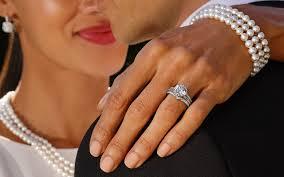
A diamond engagement ring is more than just a piece of jewelry—it is a symbol of love, commitment, and the beginning of a lifelong journey together. Choosing the perfect diamond engagement ring can feel overwhelming, given the variety of styles, cuts, and settings available. Whether you are a first-time buyer or looking to upgrade, understanding the key factors involved in selecting a ring ensures that you make a decision you’ll cherish forever. Here’s a comprehensive guide to help you navigate the process of choosing the perfect diamond engagement ring.
Understand the Four Cs of Diamonds
When it comes to diamonds, the “Four Cs” — cut, color, clarity, and carat — are the foundation of quality and value. Familiarizing yourself with these characteristics is crucial before making a purchase.
-
Cut: The cut of a diamond refers to how well it has been shaped and faceted, influencing its sparkle and brilliance. Popular cuts include round, princess, cushion, oval, and emerald. A well-cut diamond reflects light beautifully, making it appear more radiant.
-
Color: Diamonds are graded on a scale from D (colorless) to Z (light yellow or brown). Colorless diamonds are rare and highly valued, but near-colorless stones can also offer excellent beauty at a lower cost.
-
Clarity: Clarity measures the presence of internal inclusions or external blemishes. While flawless diamonds are rare, most imperfections are microscopic and do not affect the overall appearance of the diamond.
-
Carat: Carat refers to the diamond’s weight. While larger diamonds are often more expensive, size alone does not guarantee beauty. A well-cut smaller diamond can appear more brilliant than a larger poorly cut stone.
Understanding these attributes helps you balance quality and budget, ensuring that you select a diamond that is both beautiful and valuable.
Determine Your Budget
Setting a realistic budget is one of the first steps in choosing the perfect diamond engagement ring. Traditionally, the recommendation was to spend two to three months’ salary, but today, the focus is on what feels comfortable for your personal financial situation. A clear budget allows you to narrow your options and make informed decisions without overspending.
It’s important to remember that the ring is a symbol of love, not an investment in status. Many couples find that setting a budget and prioritizing certain features, such as cut over carat, allows them to get the best diamond within their means.
Consider Your Partner’s Style
Choosing a ring that aligns with your partner’s personal style is key. Observe their existing jewelry preferences—do they favor gold or platinum? Minimalist designs or ornate settings? Classic styles or trendy pieces? Their daily wear can provide insight into what type of ring they would love.
If you’re unsure, asking close friends or family members for guidance can help. Some jewelers also offer style quizzes or consultations to match a diamond engagement ring with your partner’s personality and preferences.
Choose the Right Setting
The setting of the engagement ring not only enhances the diamond but also affects durability and comfort. Common settings include:
-
Prong Setting: Classic and timeless, prongs hold the diamond securely while allowing maximum light to pass through for sparkle.
-
Bezel Setting: A metal rim encircles the diamond, offering extra protection for active lifestyles.
-
Halo Setting: A circle of smaller diamonds surrounds the center stone, adding brilliance and creating the illusion of a larger diamond.
-
Pavé Setting: Small diamonds are set along the band, providing additional sparkle.
Each setting style complements different lifestyles and aesthetic preferences. Consider how your partner uses their hands daily to ensure the ring is both practical and beautiful.
Select the Right Metal
The choice of metal for the ring band is as important as the diamond itself. Popular options include:
-
Platinum: Durable, hypoallergenic, and naturally white, making diamonds appear brighter.
-
White Gold: Similar in appearance to platinum but more affordable, often coated with rhodium for shine.
-
Yellow Gold: Classic and warm, ideal for vintage-inspired designs.
-
Rose Gold: Romantic and unique, offering a pinkish hue that complements many skin tones.
The metal choice should harmonize with your partner’s style and existing jewelry to create a cohesive look.
Consider the Diamond Shape
Diamonds come in a variety of shapes, each creating a distinct look. Popular shapes include round, princess, cushion, oval, emerald, pear, and marquise. The shape affects not only the aesthetic appeal but also the perceived size and sparkle.
-
Round: The most classic and brilliant shape.
-
Princess: Square cut with a modern appeal.
-
Cushion: Rounded corners with a vintage feel.
-
Oval: Elongates the finger and looks elegant.
-
Emerald: Step-cut for understated sophistication.
Choosing the right shape depends on your partner’s personal taste and hand shape. Some shapes make fingers appear longer, while others maximize sparkle.
Think About Lifestyle and Durability
An engagement ring is meant to be worn daily, so consider your partner’s lifestyle. If they are active or work with their hands, a lower-profile setting or durable metal like platinum may be ideal. Some diamonds are more prone to chipping, so choosing a resilient cut and setting ensures the ring remains beautiful over time.
Additionally, consider maintenance. Some intricate settings require more frequent cleaning and care. Discuss with your jeweler about care instructions and durability to ensure the ring fits your partner’s lifestyle.
Ethical and Conflict-Free Diamonds
Many couples today prioritize ethical sourcing. Conflict-free diamonds are mined and sold under strict labor and environmental regulations. Additionally, lab-grown diamonds offer a sustainable and often more affordable alternative to natural diamonds while maintaining the same beauty and quality. Asking your jeweler about certification, such as the Kimberley Process, ensures your diamond is ethically sourced.
Certification Matters
Always buy a diamond engagement ring with a certification from a reputable grading laboratory like GIA (Gemological Institute of America) or AGS (American Gem Society). A certificate provides an objective assessment of the diamond’s cut, color, clarity, and carat weight, giving you confidence in your purchase. Certified diamonds also hold value better over time.
Personalization and Customization
Adding a personal touch makes the ring truly unique. Consider engraving initials, a special date, or a meaningful phrase inside the band. Some jewelers offer custom designs that allow you to choose every detail, from the setting to the diamond shape and side stones. Personalization ensures the ring reflects your relationship and your partner’s style.
Seek Professional Guidance
Engagement rings are a significant purchase, and expert guidance can make the process easier. Reputable jewelers can explain the nuances of diamonds, settings, and metals, helping you make informed decisions. Many offer consultations, online tools, and 3D previews to visualize the final piece before purchase.
Final Thoughts
Choosing the perfect diamond engagement ring requires a balance of style, quality, and sentiment. By understanding the Four Cs, setting a realistic budget, considering your partner’s taste, selecting the right setting and metal, and ensuring ethical sourcing, you can confidently choose a ring that symbolizes your love for years to come. Remember, the perfect engagement ring is one that reflects your partner’s personality and the bond you share—a timeless expression of your commitment.
Investing time in research and thoughtful decision-making ensures that the diamond engagement ring you choose will not only sparkle beautifully but also carry the story of your love for a lifetime.

 English
 French
 Spanish
 Portuguese
 Deutsch
 Turkish
 Dutch
Dutch
 Italiano
 Russian
 Romaian
 Portuguese (Brazil)
 Greek
Greek